Play in Healthcare Week 5-9 October 2026
For many children, the prospect of having an MRI scan can be frightening. The scanner is unfamiliar, noisy and requires patients to keep very still, while some children may also need a cannula as part of their procedure. But a little preparation and a lot of play is making a big difference at Gloucestershire Royal Hospital.
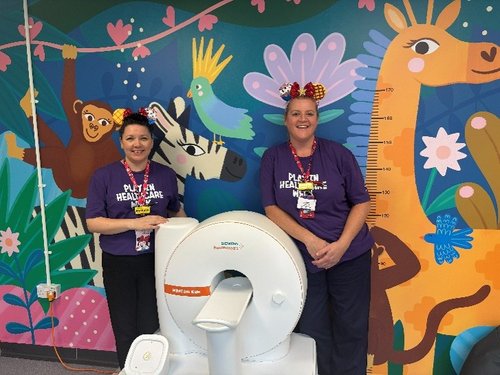
As part of Play in Healthcare Week, 5 to 9 October 2026, Gloucestershire Hospitals NHS Foundation Trust is celebrating the work of its Play Specialists and the important role therapeutic play can have in improving children’s experiences and outcomes.
Since January, the team has supported had 152 out of 159 children to have an MRI without sedation, helping to reduce the need for a general anaesthetic while making the experience less frightening for children and their families.
Play specialists use age-appropriate play, preparation and distraction techniques to help children understand what is happening in hospital, cope with procedures and feel more in control.
Their latest project has created a dedicated area where children can prepare for an MRI through play.
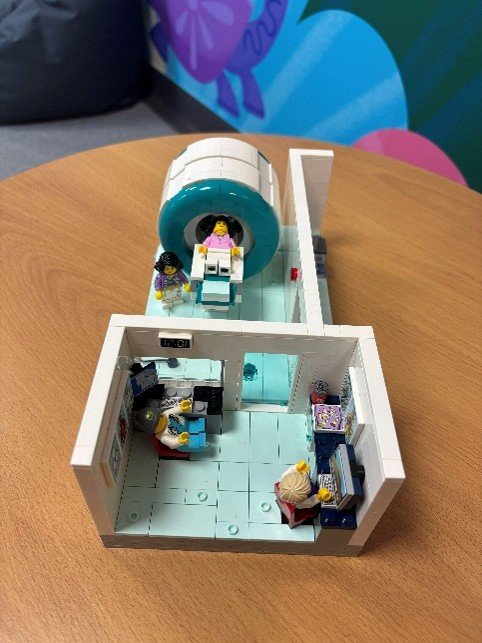
A colourful animal mural introduces different parts of the MRI journey, including wearing headphones, being measured and potentially having a cannula. Children can also help a teddy bear have its own MRI using a model scanner provided by Gloucestershire children’s charity Pied Piper, or act out the procedure with a Lego MRI scene, giving them the opportunity to see, understand and practise what will happen before it is their turn.
Play Specialist Michelle said: “With just a bit of preparation, many children don’t need to go under a general anaesthetic to have an MRI. We can help them understand what is going to happen, reduce their anxiety and make the whole experience much more positive.”
Paediatric Matron Becky Wood said: “As a Matron, I believe play specialists are an essential part of the children's healthcare team because they help reduce fear, anxiety and distress for children and young people during their hospital journey.
The difference they make is significant. We have seen this through this project. Their impact on the child’s experience has been to reduce their wait time and risk associates with a general anaesthetic, as well as working with the child and family to prepare them which can transform a child's experience from one of fear and uncertainty to one where they feel supported and confident.”
Parents have told us:
“The play team at GRH helped us last year with an MRI scan for a nervous boy who had to be sedated previously. Michelle used Lego and the toy MRI scanner to prepare him and he was able to cope with a 40 minute head first MRI to our amazement.”
“My son came in for another full spine and head MRI which needed a canula. He’s found these distressing in the past, but before this visit Michelle had contacted us in advance and put measures in place to make it straight forward and pain and upset free.”
“We're experienced hospital goers across the country and the input of the play specialists before and after our autistic son's MRI scan was exemplary. I can't understate what a huge positive impact their prep, care, input, & real understanding made to our child not just going through with procedure but doing so quickly and calmly.”
This year's Play in Healthcare Week has the theme “Celebrating how play is improving outcomes and experiences”, highlighting how play can support children's physical and emotional wellbeing during healthcare.
For Gloucestershire's Play Specialists, it is something they see first-hand every day: turning an unfamiliar and potentially frightening hospital experience into something children can understand, practise and successfully manage.
Play in Healthcare week is an annual celebration of play in all healthcare settings for babies, children and young people. It aims to highlight and showcase the incredible work of Health Play Specialists and play staff. The week was formerly known as Play In Hospital week, and the society changed the name in 2024 to be inclusive and representative of play that takes place in all healthcare settings.