Having treatment on your teeth under general anaesthetic (easy read)
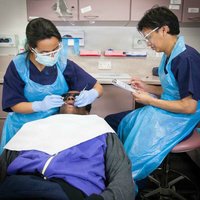
A general anaesthetic will mean you will be asleep when you have your treatment.

Why do I need a general anaesthetic?
After talking with you and/or your carers, your dentist feels you would not be able to manage to have your treatment if you are awake. They will have talked to you about all the different ways to help you manage having your treatment.
Your name will be on a waiting list
When you get to the top of the list you will get a letter about the appointment. You will have a first appointment to do checks before you have your appointment for treatment. You will get a letter, email or phone call about this appointment.

What treatment will I have?
Your dentist will have talked to you about what treatment you need. If your dentist couldn’t check your teeth properly at their surgery, you will have your teeth checked while you are asleep. You might have treatment like fillings or teeth cleaning while you are asleep.

What should I do if I have toothache before my appointment?
Take your usual amount of pain medicine. If you are still in pain contact your dentist for advice or phone 0300 421 6440 and choose option 2.

What if I am poorly on the day of my appointment?
If you have a cough, cold, runny nose, have a temperature or are poorly with something else, you might not be able to have a general anaesthetic. Please contact the Mayhill Unit for advice. 0300 422 6751

What will happen on the day I have my teeth treated?
You will have been told when to come to the Mayhill Unit. You will have been told when to stop eating and drinking.
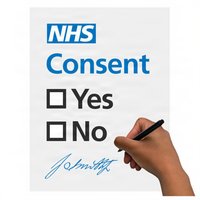
You will be seen by the health staff who will be treating you including a dentist. The dentist will talk to you about the treatment and ask you to sign a form to agree to the treatment. This is called a consent form.
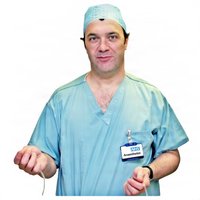
The doctor who will give you your general anaesthetic is called an anaesthetist.
The anaesthetist will check if you are allergic to anything.
They will check what medication you take.
They will ask if you have had a problem with a general anaesthetic in the past.

You can bring as many carers with you as you want into the room where you have your anaesthetic. When you are awake you will be able to have your carers with you.

When the treatment is finished you will go to the recovery room. A trained recovery nurse will look after you.
Usually you will be able to go home later that day. You will need someone to stay with you overnight.
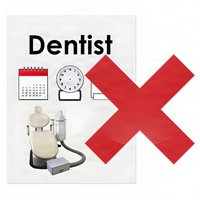
If your appointment has to be cancelled you will be contacted to arrange another appointment.

How will I feel afterwards?
You might feel sleepy and confused. Your mouth might feel a bit sore so you may be given some pain medicine.

Are there any risks with a general anaesthetic?
General anaesthetics are usually safe but it is not possible to take away every risk. Some people feel sick or dizzy or have a sore throat after a general anaesthetic. About 1 in every 1000 people have other things like problems breathing. It is very rare that people have anything like a serious allergy and even rarer that people die.

More information
If you have more questions you can contact the clinic where you have your appointment. If you want to know more about having a general anaesthetic you can look at the Royal College of Anaesthetists website. www.rcoa.ac.uk

Ask 3 questions

If you are asked to make a choice about your health, you may have lots of questions you want to ask. You might want to talk to other people about your choices.

It can help if you make a list of your questions and take it with you to your appointment.

To begin with try to make sure you get the answers to these 3 questions, if you are asked to make a choice about your healthcare.
What are my choices?
What are the good things and not so good things about each choice?
How do I get help so I can make a choice that is right for me

Download the leaflet
Information for adults with extra needs who are having treatment on their teeth under general anaesthetic (easy read)
Review date: February 2027