Having an X-ray (easy read)
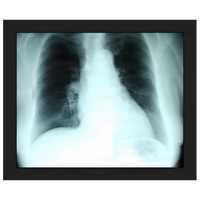
An X-ray is a picture of the inside of your body.
X-rays do not hurt.
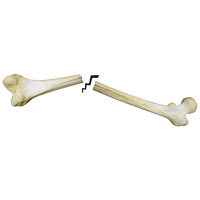
X-rays help the doctor see if there is something wrong like a broken bone.

The person who takes the X-ray is called a radiographer.
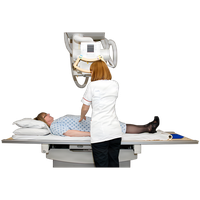
You have to go to hospital for an X-ray taken by a special machine

At the hospital
Our hospitals have different names for the X-ray department.

At Cheltenham General Hospital it is called Radiology 1 or 2.
This is in College Road, it is the red building on the hospital map.
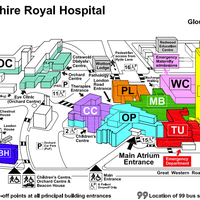
At Gloucestershire Royal Hospital it is called Imaging 1.
This is next to the bookshop in outpatients, it is light blue on the hospital map.

You might also have your X-ray at the Community Diagnostic Centre at Gloucester Quays.

Things to be aware of
Having an x-ray comes with a small risk to your health due to the radiation used.
The risk is there for many years after the X-ray.

The radiation used will be about the same amount as you get from all around you naturally.
The person who sent you for the X-ray thinks the small risk is alright because the information the X-ray gives will help them to treat you.

You can talk to your doctor or the radiographer if you are worried or have any questions.

Getting ready for an X-ray
When you get there go to the desk and tell the person your name.
Tell the person at the desk if you need anything.
They will tell you where to wait.
There might be lots of waiting rooms so ask to be told again if you are not sure.

The waiting room might be quite busy.
You might have to wait a long time.
If you find it hard to wait or don’t like busy places tell the person at the desk.

A radiographer will call your name when it’s your turn to go into the examination room.

Getting ready for an X-ray
Someone will take you to the X-ray room.
If you have someone with you, they can go to the X-ray room if you want them to.

You might have to get changed into a hospital gown.

You might have to take your jewellery off.

The radiographer will ask you some questions before your X-ray
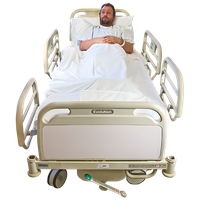
You might have to stand up or lie down for your X-ray.
This depends on which part of your body needs the X-ray.
The radiographer will tell you what you need to do

Pregnancy
If you know or think you are pregnant, please tell the radiographer.

You can tell them by phoning the department before your appointment.

It is important to tell them so they can keep your baby safe.
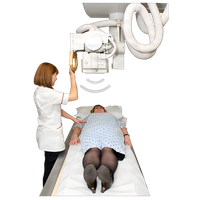
Having an X-ray
The radiographer will help you get in the right position.
A light on the X-ray machine helps the radiographer to get you in the right position.
You might need more than one X-ray. This is to get different pictures of the same part of you.

The radiographer will stand behind a window for each X-ray.
If you have someone with you they might have to stand behind the window with the radiographer.
Don’t worry you will be able to see them.

If they are allowed to stay with you they might have to wear a special apron.
This is to protect them from x-rays they don’t need.
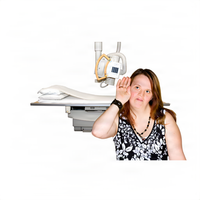
You will be asked to stay still for each x-ray. You might be asked to hold your breath.
The X-ray machine will make a little noise when it is taking the X-ray.

The radiographer will tell you when you can leave the x-ray room.

How to contact the X-ray department
If you have any questions about your appointment you can call the X-ray appointments team.
The phone number is 0300 422 4488.
They might be able to help you with your appointment.
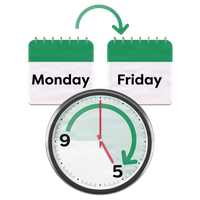
They are there Monday to Friday from 9am to 5pm.

Talking to us about your care
Our PALS advisors can give you information about health services in our hospitals.
You can talk to them if you are not happy with the care you are given in hospital.
You or someone who helps you can call PALS on 0300 422 6931

Or you can e-mail PALS at ghn-tr.pals.gloshospitals@nhs.net

Ask 3 questions
If you are asked to make a choice about your health, you may have lots of questions you want to ask.

You might want to talk to other people about your choices.

It can help if you make a list of your questions and take it with you to your appointment.

To begin with try to make sure you get the answers to these 3 questions, if you are asked to make a choice about your healthcare:
What are my choices?
What are the good things and not so good things about each choice?
How do I get help so I can make a choice that is right for me?