Having CT guided abdominal or pelvic biopsy (easy read)
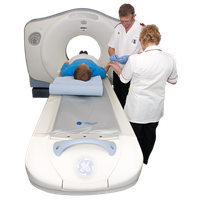
This page gives you information about having a CT guided abdominal or pelvic biopsy.
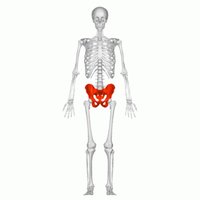
An abdominal or pelvic biopsy is where a small sample is taken from in your tummy (your abdomen) or your pelvis which is around your hip area.

Why do I need a biopsy?
You need a biopsy because something that was not normal was found in your tummy or pelvic area during another scan. Taking a sample will help us know how to treat you.
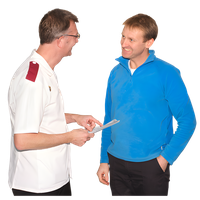
Getting ready for your biopsy
Before your biopsy you will talk to health staff about what will happen.
This might be an appointment or on the phone. You will need to tell us about any medication you take.
If you have medication to thin your blood you might have to stop taking them before your bone biopsy.
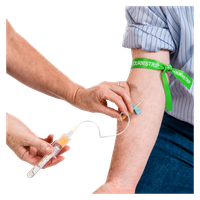
We will tell you if you need to stop your medication.
You might have a blood test before your biopsy.
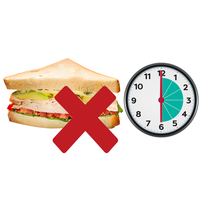
Please do not eat anything for 6 hours before your appointment time.

You can drink water until 2 hours before your appointment time.

On the day of your biopsy
You will be asked to change into a hospital gown. Most people go home the same day, but you might have to stay overnight.
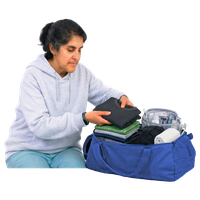
Bring things for overnight with you just in case.

You will not be able to drive after your biopsy. You will need to arrange to have someone pick you up.
What happens during the biopsy?
You will be asked to lie on the bed.
A scan will help us decide where to do your biopsy.
We will clean your skin where we are going to do the biopsy.
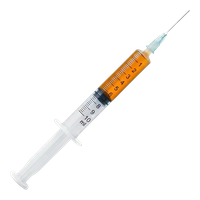
We will give you an injection to make the area numb.
We will make a small cut in your skin.
A biopsy needle will be used to go into the area for the sample. The scanner helps us see that we are in the right place.
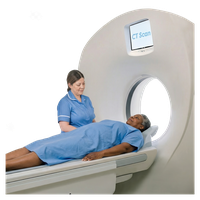
You will need to lie still.
You might have to hold your breath.
You might feel a bit uncomfortable when we take the samples.
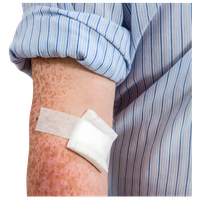
We will put a dressing on the cut we made.
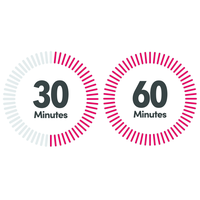
It will take about 30 to 60 minutes.
You will be awake.
You can tell the health staff if you are uncomfortable.

What are the risks?
Most people go home 4 hours after the biopsy.
Things do not go wrong very often.
Things that might happen depend on where the biopsy was taken from.
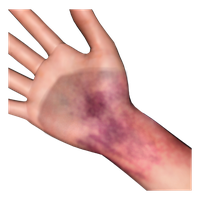
There might be pain and bruises which should go away after a few days. You can take paracetamol.

There could be a blood clot called a haematoma which might cause some swelling and pain. You can use an ice pack and take paracetamol to help with this.
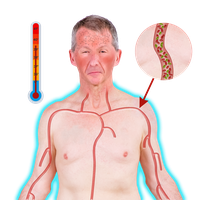
There could be an infection which makes the wound red and you feel sweaty. This doesn’t happen very often.
Do not ignore this, call the Radiology Nurses for advice or NHS111.
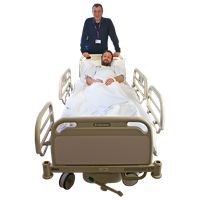
There is a small risk things like blood vessels or nerves near the biopsy can be damaged. If this happens you will stay in hospital to be cared for.
It is very rare but sometimes there can be severe bleeding. If this happens you will stay in hospital to be cared for.
You might need another biopsy if we do not get enough to find out what is going on.
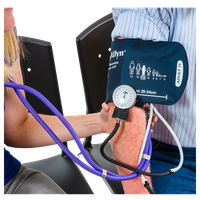
What happens after the biopsy?
You will be looked after by health staff who will check things like your blood pressure and pulse. The health staff will tell you when you can move around.
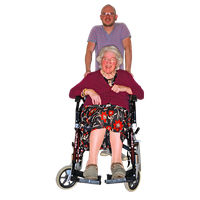
You will need someone to take you home and stay with you for 24 hours.
You should not do exercise or lifting for 24 hours.
You can take paracetamol if you have pain.
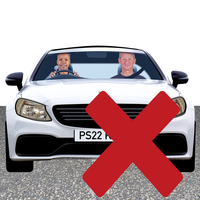
Do not drive for 24 hours after your biopsy.
Spend the rest of the day resting.
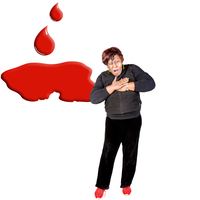
If you notice any bleeding from your wound contact your doctor straight away.
If you have pains in your chest, find it hard to breathe or cough up blood go to A & E straight away.

Do I have to have a biopsy or is there something else?
You do not have to have a biopsy.
We can check on your abdomen/pelvis with scans, but it might mean things get worse because there is a delay in your treatment.
When will I get the results?
Your sample will be sent for tests after your biopsy. The results of the tests will be sent to your doctor.

How to contact us
You can contact us on the number in your appointment letter.
You can contact your consultant’s secretary.

You can contact one of the Cancer Nurse Specialists
Cheltenham General Hospital: 0300 422 2379
Gloucestershire Hospitals Switchboard: 0300 422 2222
Ask for the operator and then ask them to bleep the Cancer Nurse Specialist on 2649.
Download the leaflet
Having CT guided abdominal or pelvic biopsy (easy read)
Review due: September 2026