Exceptional contribution to research, teaching, innovation or QI
Recognising individuals or teams who are improving care through research, teaching, innovation or quality improvement. Their work helps develop new ideas and bring about positive change, leading to better experiences and outcomes for patients and colleagues.
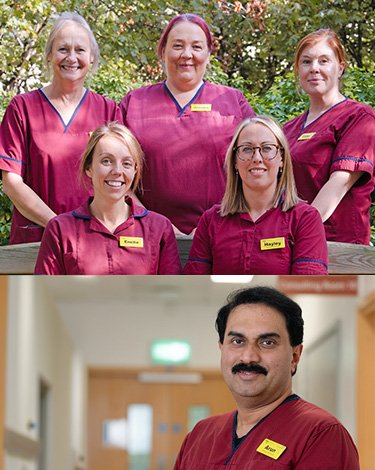
Advanced Practice Team
Same Day Emergency Care (SDEC)
The SDEC Advanced Practice Team has transformed the way patients are assessed and treated in Same Day Emergency Care through a combination of clinical innovation, education and research. Their Advanced Practitioner-led Rapid Assessment model has improved patient flow, reduced length of stay and created additional capacity within the service, while virtual follow-up pathways have helped avoid more than 1,400 unnecessary return visits.
In addition to delivering direct patient care, the team plays a leading role in developing the future workforce through education, supervision and research. Team members have established Trust-wide training programmes, contributed published research and developed new clinical pathways, while creating a culture that encourages learning, collaboration and continuous improvement.
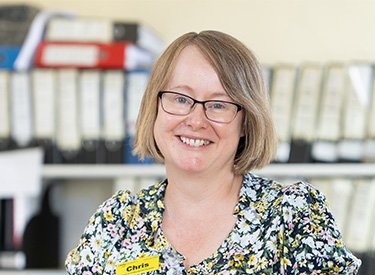
Chris Ford
Research, Innovation and Genomics
Chris has made a meaningful contribution to research at the Trust, supporting the delivery of a wide range of studies to ensure that patients can access research opportunities alongside their care. Her expertise and attention to detail have established research as an important part of delivering high-quality patient care.
Chris is valued for the way she supports colleagues, investigators and patients. Approachable and generous with her knowledge, she is always willing to offer guidance, encouragement and practical help. Her professionalism and positive influence have earned her the respect of those who work with her and contributed to a strong and collaborative research culture.
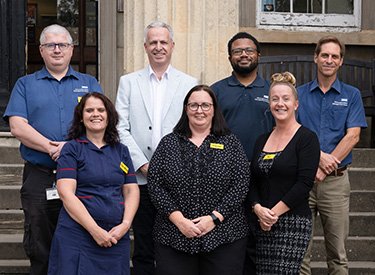
GMS Medical Engineering, IDOX and Palliative Care
The Medical Engineering Team worked with specialist palliative care services and technology partner Idox to tackle a longstanding challenge with syringe pumps used in end-of-life care. Recognising that the devices themselves, rather than their storage cases, needed to be tracked, the team developed and implemented a new system built around real clinical practice and designed to support both hospital and community teams.
The project has transformed the management of BodyGuard T syringe pumps, eliminating lost devices within 12 months and saving an estimated £200,000 in replacement costs. By bringing together technical expertise, clinical knowledge and innovative thinking, the team has improved equipment availability, reduced time spent searching for devices and enabled clinicians to spend more time focused on patient care.
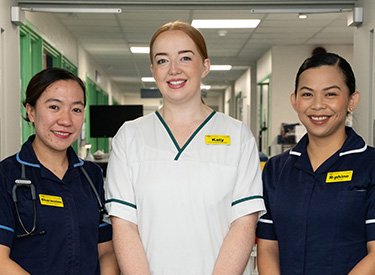
Frailty Assessment Unit 4Qs Family Communication Project
The Frailty Assessment Unit's 4 Questions project introduced a simple approach to family communication, ensuring relatives receive clear information about a patient's condition, plan of care, discharge arrangements and the support needed when they leave hospital. By embedding the four questions into everyday practice, the team improved consistency in communication, leaving families better informed and more involved in decision-making.
The project has delivered measurable improvements for both patients and the service. Compliance with the 4Qs reached 100%, communication-related complaints fell to zero and earlier conversations with families enabled more timely discharge planning. Its success demonstrates how a straightforward idea, focused on what matters most to patients and families, can make a tangible difference to experience, communication and patient flow.