We use cookies to provide you with a better service. Carry on browsing if you’re happy with this or read more about our cookie policy and privacy policy.
Former Gloucestershire Occupational Therapist Sue Llewellyn completed her ‘London Marathon My Way’ at the finish line of Gloucestershire Royal Hospital on Sunday 21 April
Systemic anti-cancer therapies, including chemotherapy and immunotherapy, are treatments that work throughout the entire body rather than targeting a specific area.
The Discharge Lounge has been developed to provide a relaxed, comfortable and safe environment for patients awaiting discharge home or to another care setting.
From 9 to 15 October, we are joining people across the country to mark Baby Loss Awareness Week. This is a time to remember babies who have died during pregnancy, at birth or in infancy and to offer support to anyone affected.
This page provides information about major head and neck surgery including the risks involved and what to expect when you go home.
by Emma Rodgers
by Donna Little
'The Hand that Cared' commemorates Fannie Storr, a former Nursing Director and latterly a governor and volunteer chaplain at our Trust.
Update on Systemic Anti-Cancer Therapy (SACT) production
The NHS in Gloucestershire joins the rest of the country in sending our deepest sympathies to the Royal Family following the death of Her Majesty Queen Elizabeth II.
This page gives you information about your Woodcast® splint, how to care for it and what to do if you have any problems.
Phlebotomy Industrial Action
You have been referred for a tunnelled line, sometimes referred to as a catheter. This page aims to answer some of the questions you may have and explains how this line is different to other cannula or lines you may have had before. Also included is information about the risks and benefits of having Tunnelled Central Venous Catherter (CVC) and what to do if you have any problems. Please contact the team who provide your care if you need any further information about anything on this page.
You have been referred this page because it is suspected that you have a Deep Vein Thrombosis (DVT).
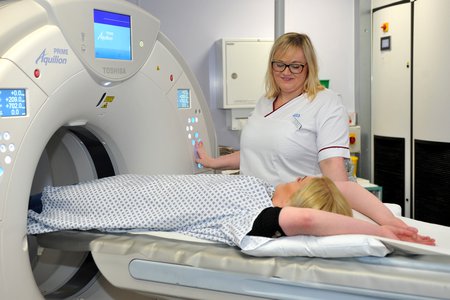
Thanks to your support we have been able to raise £2.6million to date to fund the latest cutting-edge imaging technology for our hospitals.
30 ml universal
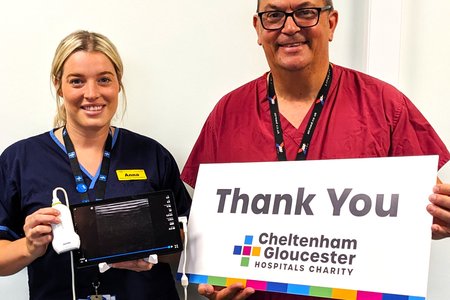
Local patients are now benefitting from the ‘VScan Air’ Wireless Ultrasound to help provide faster and more accurate treatment at our hospitals.
Thanks to your kind donations, eight new electric haematology treatment couches have been funded to help improve the patient and staff experience at our hospitals.
This page gives you information about what to expect when leaving the Emergency Department after having had sedation. You have been given a sedative medication to assist with your procedure. You may experience a short period of memory loss during the time the sedation is effective. This medication may also impair your judgment for up to 24 hours. Sedation is safe with very few side effects but most patients have feelings of tiredness afterwards. Some people may believe they are fine and unaffected by the medication but their reactions will be slower. This is similar to how some people may feel after having alcohol.