We use cookies to provide you with a better service. Carry on browsing if you’re happy with this or read more about our cookie policy and privacy policy.
Clotted blood. (No patient preparation or special handling required)
Microbiology
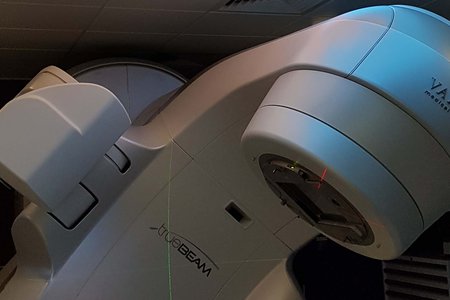
Bringing to life our Centres of Excellence vision with new SABR treatment for cancer patients
by Beverley Gray and William Sims
by Terry Flemons
This page provides information and advice for parents and carers about the Gloucestershire Hospitals NHS Foundation Trust’s Children’s Safeguarding Policy and Procedures.
Download the poster for this Quality Improvement
The Same Day Emergency Care (SDEC) unit is in Gloucestershire Royal Hospital and Cheltenham General Hospital. Both units provide same day assessments and treatment, removing the need for you to be admitted.
Letters from Gloucestershire Hospitals that meet the needs of every patient are now more easily available, thanks to a project led by our digital and patient experience teams
To mark national No-Smoking Day on 13 March 2024, our Tobacco Free Team will be manning a stand in the Main Atrium at Gloucestershire Royal Hospital (GRH)
Cheltenham General Hospital successfully performs the South West’s first keyhole pelvic exenteration, revolutionising cancer care with robotic surgery
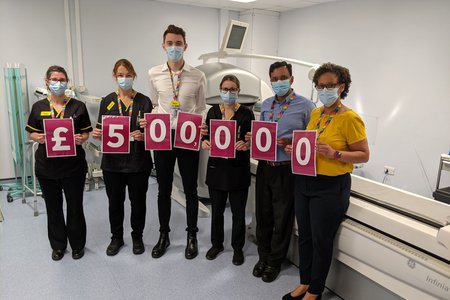
Runners, riders, donors and doctors are among the hundreds of people who have helped raise £500,000 for a life-saving hospital scanner.
Steroid is a powerful anti-inflammatory drug, used to treat many conditions around the hand, such as arthritis, trigger finger, carpal tunnel syndrome and tendonitis.
There are many different causes of knee pain, this page provides advice which is relevant to your problem. Please note that some patients will be provided with a knee splint. Specific advice will be provided which the clinician will discuss with you. Please ask if you need further information.
Our Haematology Cancer Service provides expert care for patients diagnosed with blood cancers.
by Sarah Brown and Emma Price
This page provides you with information about how to care for your Peritoneal Dialysis (PD) catheter following insertion. A PD catheter is a tube that is inserted into your abdomen to allow for peritoneal dialysis. After the PD catheter has been inserted it should be cared for as advised by the PD team. This will help to reduce the risk of infection or displacement. It will also provide a smooth start to PD. You will be given detailed instructions for long term care by the PD nurse looking after you.
The NHS in Gloucestershire is urging the public to only call 999 or attend the Emergency Departments in Gloucester or Cheltenham if it’s a life threatening condition or serious injury.
This page gives you information about having a mouth or facial biopsy and answers some of the commonly asked questions. If you have any further questions, please contact the Oral and Maxillofacial department using the contact information at the end of this page.
We are aware that some misinformation has been shared online regarding our community transformation programme so we have produced these frequently asked questions.