Morphine-based medication after your child’s operation
You have been given this page because your child, or someone you care for, has been given medicine that contains morphine. This page contains information about some of the medicines your child may need to take to help control their pain.
General information
After your child’s operation you will be given some pain relief medication to go home. This may include a morphine-containing medication called actimorph. Older children over the age of 12 may be given codeine phosphate instead. You should be given clear instructions about how much and how often to give this medication. Please read this page before administering actimorph.
Codeine Phosphate
If your child is over 12 years old, you may be given Codeine Phosphate to take home instead. This medication is broken down into morphine and has the same safety and side effect profile as actimorph. Some people are more sensitive to codeine than others. We recommend that you follow the individual dosing that your child has been prescribed.
What is actimorph?
Actimorph is a medicine that contains morphine. It is a strong painkiller (analgesia) that belongs to the family known as opioids. It is a tablet that dissolves in the mouth and is used to treat severe pain. Actimorph must be prescribed by your medical team or GP to be used to help manage your child’s pain.
Before treating pain with actimorph it is important to understand the recommended dosing of the medication. This is for the safety of your child and the safety risks associated with its use. It is also important to know the potential side effects of the medication.
How to take Actimorph
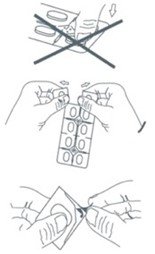
Actimorph comes as an oro-dispersible tablet, which means the tablet will dissolve in your child’s mouth.
- To remove the tablets from their packaging, peel back the foil to expose the tablet. Do not push the tablet through the foil.
- The tablet can be placed directly in your child’s mouth to melt on their tongue and then easily swallowed.
- Alternatively, you may place the oro-dispersible tablet on a spoon with a small amount of water. This method is recommended for children below the age of 6 years.
When to take actimorph
Please follow the individual dosing as per the prescription for your child, which is based on your child’s weight. You will be supplied with four doses per day for up to seven days after your operation.
Your child’s pain will vary day to day so you will need to change the amount of actimorph that you give to your child’s pain. You may find your child will need all four doses on some days but none on other days.
You should wait a minimum of 6 hours between doses. You should not give more than 4 doses of morphine in a 24-hour period.
The table at the back of the attached PDF can help you keep track of the doses of Actimorph as well as paracetamol and ibuprofen that are being used each day.
Actimorph side effects to be aware of
When your child is taking Actimorph, it is important to monitor for possible side effects and inform your GP appropriately.
Please read the Patient Information Leaflet contained within the medicines packaging for the full range of side effects.
Common side effects to monitor for are:
- Constipation
- Nausea and vomiting
- Drowsiness
- Confusion
- Itching
In rare cases, Actimorph can cause you to breathe more slowly than expected. If you notice this side effect in your child, you must contact 999 immediately.
Left-over medication
Actimorph is a controlled drug. If you have any medicines left once your child has fully recovered from their operation, please take them to your local pharmacy for them to dispose of safely.
Within the PDF below, there are tables on the final pages which you can print out to easily keep track of all pain relief your child has received over the two weeks following their discharge from the hospital.
The first table is for week 1 and the second is for week 2.