We use cookies to provide you with a better service. Carry on browsing if you’re happy with this or read more about our cookie policy and privacy policy.
by Alison Doyle
by Jo Harvey
The low FODMAP diet is an international recognised dietary approach for managing the symptoms of IBS. It has been shown to help around 70% of patients who try it with the help of a FODMAP trained dietitian.
by Aisha Geeson
Providing timely and appropriate care in the most suitable setting is essential for stroke patients’ long-term recovery.
This page gives you information about bimatoprost eye drops used to stimulate eyelash growth and the possible side effects.
The Emergency Department (ED) at Gloucestershire Royal Hospital is beginning a partnership with volunteers from Gloucestershire branches of Samaritans this month.
The 17th GSQIA Silver Graduation and Awards Ceremony took place virtually on 19th of November 2020 from 9.30-12.00 on MS Teams.
This page gives you information about the care you will need following a thoracoscopy.
The MND team provides assessment, advice and information for people with a diagnosis of motor neurone disease
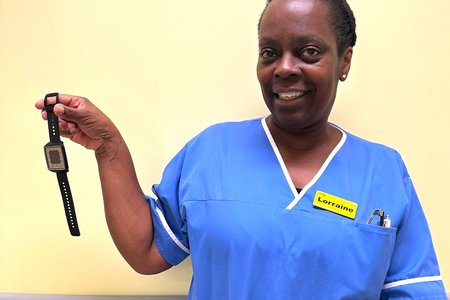
Thanks to your support, fifty Parkinson’s Kinetograph (PKG) smart watches have been funded that enable specialist doctors to remotely evaluate a patient’s condition from their own home.
Patients at Cheltenham General and Gloucestershire Royal Hospitals are benefiting from a £100m-plus cash injection just months after building work started.
A new powerful county-wide campaign launches today highlighting the need to keep Gloucestershire’s two Accident and Emergency Departments clear for real emergencies.
This page explains why your child has an appointment for the Neurodevelopmental Clinic at either Gloucestershire Royal Hospital or Cheltenham General Hospital and why it is important for your child to attend their appointment.
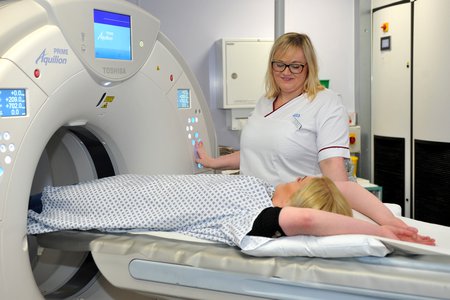
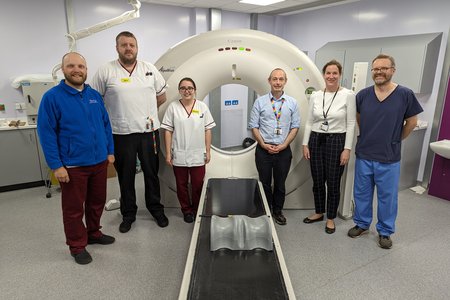
Thanks to your support we have been able to raise £2.6million to date to fund the latest cutting-edge imaging technology for our hospitals.
by Gabrielle Churchhouse, Annie-Rose Toms-Whittle and Patricia Wells
The NHS in Gloucestershire is urging local people to continue to seek urgent medical help if they have symptoms of a potentially serious illness or health condition.
From Monday 9 March until Saturday 14 March, Gloucestershire Hospitals will be celebrating its healthcare scientists and the role they play in making a difference to patients’ lives as part of national Healthcare Science Week.
Thanks to your support, local cancer patients are benefitting from innovative auto-contouring software for radiotherapy planning
by Richard Sidebottom