We use cookies to provide you with a better service. Carry on browsing if you’re happy with this or read more about our cookie policy and privacy policy.
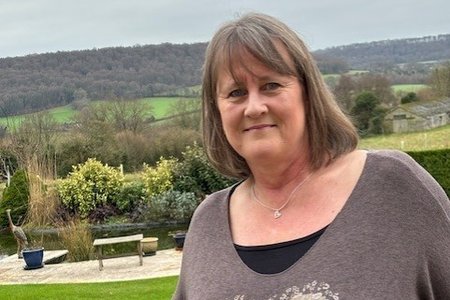
Women in a Gloucestershire village whose lives have all been touched by cancer have joined together to get behind the £17.5m Big Space Cancer Appeal.
Your oncologist has recommended that you have a course of radiotherapy. This page aims to tell you about radiotherapy and what will happen. Please be aware that radiotherapy centres are training areas for doctors, nurses and radiographers. Students may be present in the department but they are supervised at all times. If you would prefer not to have students present during your treatment, please let a member of staff know. You may find it useful to write down some questions before you start your treatment. A space is provided towards the end of this page for you to do so.
This page gives you information about the medication pregabalin which you have been prescribed to reduce the pain of vulvodynia. Vulvodynia is pain in the vulva (area around the outside of the vagina) that lasts at least 3 months but does not have a specific cause.
If you're ill or injured, find out find out how to get the right healthcare in your area
This page gives you information about having a nerve root injection and the risks involved.
This page gives you information about Wide Local Excision (WLE) of a vulval lesion. This is a treatment for pre-cancerous, recurrent and early cancer of the vulva.
This page will give you information about having hernia surgery. It also answers some of the commonly asked questions and outlines some of the risks and possible complications linked with hernia surgery.
This page gives you information about pelvic organ prolapse, its causes and available treatments. This page does not replace any advice given by your doctor, nurse or physiotherapist.
A fun and exciting way to help patients and staff with a chance to win amazing prizes
This Organ Donation Week (23rd – 29th September) NHS Blood and Transplant and Gloucestershire Hospitals NHS Trust are celebrating the fact that the NHS Organ Donor Register has been saving lives for 30 years through the gift of organ donation.
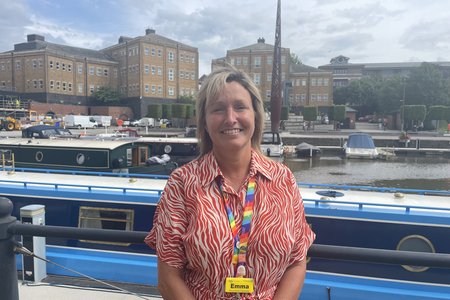
When Emma Taylor joins our Walk for Wards event next month, she will be remembering her beloved daughter Erin, mum Yvonne and the care they received before they died.
Falls are not an inevitable part of ageing. Simple changes to your lifestyle and living environment can significantly reduce the risk of you falling.
Self-care intravenous antibiotic pump therapy is a new treatment supported by our Trauma Assessment and Treatment Unit (TATU) virtual ward team, which allows patients to return to the comfort of their own homes while continuing intravenous antibiotic treatment. We expect this to lead to a reduction in risks to patients, reduced costs and a more sustainable model of healthcare.
We fully support the Government’s objectives to eradicate modern slavery and human trafficking.
Leg ulceration is a common problem affecting about 1 to 2% of people in the United Kingdom. Venous leg ulcers can appear suddenly or as a result of an injury to the leg. They are defined as an ulcer if they do not heal within 2 weeks.
In 2024, we commissioned two independent reviews to identify what more we could learn from seven maternal deaths (2017–2023) and 44 neonatal deaths (2020–2023)
In 2013, I celebrated my 36th birthday with my twin brother Tim, with a family lunch, a trip to the Lego store, followed by an appointment that night for a short stay at Royal Liverpool Hospital.
This page gives you information about your right to refuse a transfusion of blood or blood products as part of your treatment.
This page gives you information about a tracheostomy and why you may need to have one.
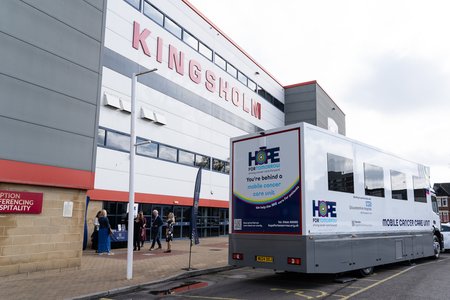
An exciting newly upgraded mobile cancer care unit ‘Helen’ officially launches in Gloucestershire on 15 April, continuing to bring life-saving cancer care closer to cancer patients across the county.