We use cookies to provide you with a better service. Carry on browsing if you’re happy with this or read more about our cookie policy and privacy policy.
Changes to Cheltenham A&E during BMA Industrial Action 17 - 22 December
This page will help you to understand more about your surgery. It will also give you tips on how you can help your recovery after your back operation. Irritation or pressure (compression) of one or more of the nerves in your back causes pain in your back or legs. You may need to have surgery if the pain is not easing. Before the decision is made to have surgery, you may have several tests such as an MRI (Magnetic Resonance Imaging) scan, a CT (Computerised Tomography) scan or X-rays. This is for your doctor to be sure of the diagnosis and to see at which level in the back the nerve is being compressed.
This page gives you information about having surgery for vulval cancer and answers some of the commonly asked questions.
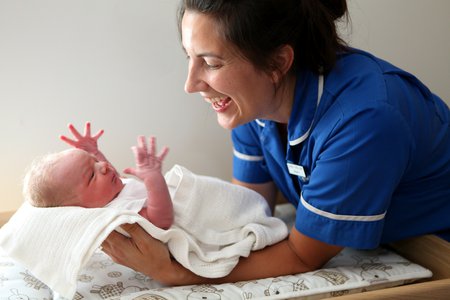
Newborns in Gloucestershire will now have access to cutting-edge genomic screening as Gloucestershire Hospitals joins the national Generation Study.
Our hospitals are extremely busy at present and we are strongly urging people to only call 999 or visit the two Emergency Departments if it’s a life-threatening situation or a serious injury
Hereditary haemochromatosis (HH) is a very common inherited disorder of iron metabolism, characterised by inappropriately high absorption of iron, leading to excessive storage in the liver, skin, pancreas, heart, joints and testes.
by Donna Little
by Jonathan Brown
This page provides information about your Retina (Eye) Imaging Appointment.
This page provides information for renal patients with a fistula or graft who need a fistulogram or fistuloplasty. The page answers some of the commonly asked questions about having a fistulogram or fistuloplasty. It also explains the benefits, risks and alternatives to the procedure.
From Monday 9 March until Saturday 14 March, Gloucestershire Hospitals will be celebrating its healthcare scientists and the role they play in making a difference to patients’ lives as part of national Healthcare Science Week.
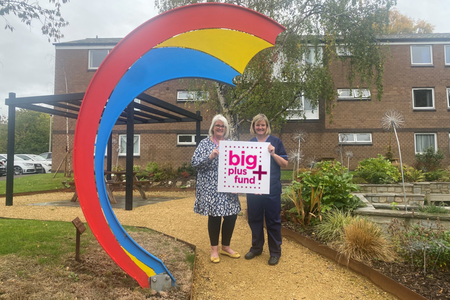
We have created the Big Plus Fund to help support local projects that will improve the patient experience and transform the hospital environment wherever the need is greatest.
If you are unwell, require close monitoring or your treatment is administered over several hours, you may need to stay on an inpatient ward.
There are so many ways that you can help make a difference - wherever you are on your journey, we are here to help
We are committed to making sure we have safe levels of staffing on our wards at all times.
We fully support the Government’s objectives to eradicate modern slavery and human trafficking.
In an important initiative aimed at providing comprehensive care to young people experiencing mental and emotional health challenges, Youth Workers from the Young Gloucestershire charity are now being integrated into the children's ward at Gloucestershire Royal Hospital.
Ganglion cysts are the most common type of swelling in the wrist. They are completely harmless and usually disappear within a few years.
This page gives you information about tests used to help identify problems at the back of the eye.
It is essential that your bowel is empty for this investigation. In order for your bowel to be empty please follow the instructions below.