We use cookies to provide you with a better service. Carry on browsing if you’re happy with this or read more about our cookie policy and privacy policy.
by Dr Giovanna Sheiybani
Serum - paired samples not required
This is a guide to keep your child safe and help them recover from their head injury. Your child has been assessed and is able to go home. Please make sure they are with an experienced carer who is able to closely observe them for the next few days.
This page gives you information about having a CT colonoscopy, how the test is done, the risks involved and what to expect. A CT colonoscopy is also known as a virtual colonoscopy.
We are sorry that you have had a miscarriage. To help you get through this difficult time, you should have already received information about different treatment options. This page gives you information about a surgical option called Manual Vacuum Aspiration (MVA), which can be done using local anaesthesia. It also explains the possible risks and benefits of the procedure and what to expect during and after discharge.
This page gives you information about your planned exercise stress echocardiogram.
Bowel screening aims to detect bowel cancer at an early stage, if you have no symptoms. This is when treatment is more likely to be effective.
These drugs are described as Systemic Anti-Cancer Therapies (SACT).
A general anaesthetic will mean your child will be asleep when they have their treatment.
This page gives you information about transperineal biopsy of the prostate, including the nature of the procedure, risks, benefits, alternatives and what to expect.
Viral eye swab
You have been offered a treatment to your oesophagus (gullet) called Radio Frequency Ablation (RFA). This page contains information about the treatment and will hopefully answer any questions that you may have. It is important that you read this information so that you understand why you have been recommended for this treatment and what it involves.
This page explains how we handle your health records. Your records contain detailed information about your medical history. We want to assure you that your personal information is always handled with your confidentially in mind.
When you finish your radiotherapy treatment, you will be given advice by your radiographers about what to expect in the early weeks. This page gives you general information about coming to the end of your radiotherapy treatment and what happens next.
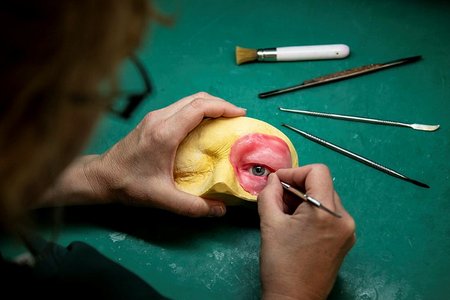
This department has experienced and highly skilled Maxillofacial Prosthetists who treat patients who have an acquired facial visible difference.
From sharing your thoughts and ideas, to helping out in and around our hospitals, from becoming a member and electing our governors to fundraising for our charity – there are many different ways you can get involved.
The quality of laboratory investigations can depend not only on the quality of the specimen, but also on the quality of the information which we receive with the specimen. Inadequate information may lead to sample rejection, inappropriate testing or a delay in testing whilst further information is sought.
This page provides you with information about plantar fasciitis and exercises that can help reduce your pain.
This leaflet will explain why you are being offered the Hepatitis B vaccine. Patients with chronic kidney disease are at an increased risk of Hepatitis B virus infections due to the increased exposure to blood and blood products. All donated blood is tested for Hepatitis B. However, the Department of Health recommends that all patients with kidney failure are vaccinated against the virus.