We use cookies to provide you with a better service. Carry on browsing if you’re happy with this or read more about our cookie policy and privacy policy.
You have been offered a treatment to your oesophagus (gullet) called Radio Frequency Ablation (RFA). This page contains information about the treatment and will hopefully answer any questions that you may have. It is important that you read this information so that you understand why you have been recommended for this treatment and what it involves.
The perineal clinic is a specialised clinic for women who require follow up for perineal or pelvic floor problems following childbirth.
These tests are only performed by appointment following discussion with the Consultant Haematologist.
by Adele Pugh
This page gives you information about Enhanced Supportive Care (ESC).
Losing a baby at any stage of pregnancy is a devastating experience which can leave you feeling bewildered and alone. Many people find it helpful to have special ways to remember their baby. This page tells you about some of the ways Gloucestershire Hospitals can support your memory-making.
This page explains how we handle your health records. Your records contain detailed information about your medical history. We want to assure you that your personal information is always handled with your confidentially in mind.
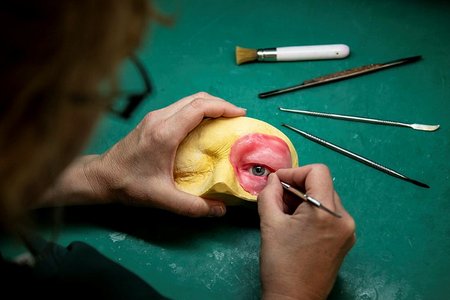
This department has experienced and highly skilled Maxillofacial Prosthetists who treat patients who have an acquired facial visible difference.
When you finish your radiotherapy treatment, you will be given advice by your radiographers about what to expect in the early weeks. This page gives you general information about coming to the end of your radiotherapy treatment and what happens next.
From sharing your thoughts and ideas, to helping out in and around our hospitals, from becoming a member and electing our governors to fundraising for our charity – there are many different ways you can get involved.
The quality of laboratory investigations can depend not only on the quality of the specimen, but also on the quality of the information which we receive with the specimen. Inadequate information may lead to sample rejection, inappropriate testing or a delay in testing whilst further information is sought.
The FBC comprises the following tests
The enhance programme recognises the need for healthcare professionals to develop a range of generalist skills, in order to better meet patient need and improve the health of local populations.
This page will give you information about aftercare following your CT guided ablation
Clotted sample (5ml Gold-top SST tube or 3.5ml Rust-top gel tube) or EDTA sample
9ml Serum sample
Haematology support groups provide emotional support, shared experiences and practical advice for patients with blood disorders, helping to reduce isolation, improve understanding and enhance overall well-being through community and peer connection.
Cryotherapy is a treatment for benign and precancerous skin lesions. Liquid nitrogen (-196°C) is sprayed from a canister onto your lesion(s) for a few seconds. This will sting briefly.