We use cookies to provide you with a better service. Carry on browsing if you’re happy with this or read more about our cookie policy and privacy policy.
By partnering with us you can help make hospital life better for everyone you know and love
This page has been written for women who are about to start cancer treatment. You may not be thinking of children right now, but might do in the future. If your treatment is likely to affect your chances of having children, you might want to think about fertility preservation (maintaining your ability to conceive a child).
This page provides information for renal patients with a fistula or graft who need a fistulogram or fistuloplasty. The page answers some of the commonly asked questions about having a fistulogram or fistuloplasty. It also explains the benefits, risks and alternatives to the procedure.
Blood Transfusion
This page provides information for patients with a Positive penicillin allergy test.
The Communications Team handles all media enquiries and should be the first point of contact for all journalists.
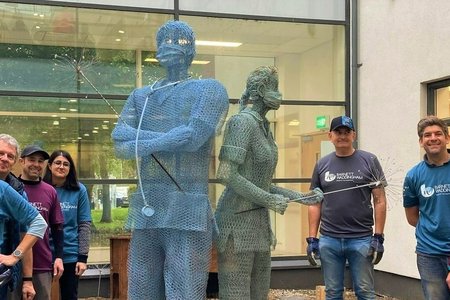
'The Hand that Cared' commemorates Fannie Storr, a former Nursing Director and latterly a governor and volunteer chaplain at our Trust.
Serum - paired samples not required
Your team will work with you to get the best results from your cancer treatment. It is important that you are involved in your treatment decisions. You have the right to say what your wishes are.
This page describes the outpatient services provided for Gloucestershire patients by the Brain Injury Team.
These are the terms and conditions for private patients at our Trust. They include important information about your treatment.
As part of the Government’s commitment to greater transparency and accountability in the NHS, a new performance assessment system has been introduced: the NHS National Oversight Framework (NOF).
Some babies cry and seem unsettled around the time of a feed
This page gives you information about transperineal biopsy of the prostate, including the nature of the procedure, risks, benefits, alternatives and what to expect.
A multidisciplinary team (MDT) will support you by bringing together different healthcare professionals to provide coordinated, personalised care and support throughout your diagnosis, treatment and beyond.
An ultrasound scan is a test that uses high frequency sound waves to build a picture of your baby in the womb. Ultrasound scans are very safe and can be carried out at any stage of pregnancy. Your ultrasound scan is a medical examination important for your wellbeing and that of your baby. The sonographer needs to concentrate fully throughout the scan to carry out the necessary checks and measurements but will explain what they are checking at each stage. For many women, having a scan during pregnancy is an exciting and happy event but please be aware that ultrasound scans are also an opportunity for sonographers to detect some serious health conditions, so try to be prepared for that information.
This information has been given to you to explain what a fibroscan involves. Your doctor has recommended that you have this test to help understand the condition of your liver. If you have any questions or concerns, please do not hesitate to speak to the nurse or doctor caring for you.
The 6th GSQIA Graduation and Awards Ceremony took place on 12th of December 2017 at 10:00am in the Lecture Hall in Sandford Education Centre, Cheltenham General Hospital.
Hysterectomy can be carried out abdominally, vaginally, laparoscopically or in a combination of these routes. This page gives you information about having a laparoscopic (keyhole) route of surgery called Total Laparoscopic Hysterectomy (TLH) and answers some of the commonly asked questions.