We use cookies to provide you with a better service. Carry on browsing if you’re happy with this or read more about our cookie policy and privacy policy.
BMA Resident Doctors’ Industrial action – 7 April to 13 April and temporary changes to Cheltenham A&E
Microbiology
The Cardiology ward at Gloucestershire Royal Hospital treats and monitors patients with heart problems.
by Carol McIndoe
You have now completed your training and should be feeling confident to administer your subcutaneous methotrexate injections (Metoject®) at home.
by Dr Edward Coxson
Gloucestershire Hospitals welcomes the findings of the Care Quality Commission’s (CQC) National Maternity survey
by Jeanie Worthington
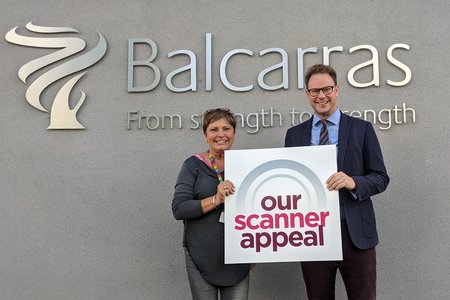
Staff, students and families at Balcarras School have gone above and beyond to help support our latest appeal.
Please refer to the Antibiotic Guidelines Page for information regarding patient preparation.
This page gives you information about the therapists working within the Gloucestershire Brain Injury Team and how they help people to achieve their best possible recovery.
Ward 7A is a Renal service, helping to centralise the general medical patients that they currently look after on outlying wards and releasing specialised dialysis beds for acutely unwell patients.
If you, or someone you care for, has dementia, delirium or other difficulties with communication, being in a new environment or meeting unfamiliar people can feel upsetting or confusing.
Everything you need to know about coming to hospital, what to bring, where to go and how to get help.
This is painful condition that involves irritation of the two tendons that run through a tunnel on the thumb side of the wrist.
This page provides answers to some questions that you may have about the Neonatal and Maternal Mortality (Perinatal) Reviews published in September 2025
The exercise information in this page has been written to help men who leak stool from their back passage or find it hard to control wind. Performing these exercises can help you to reduce leakage from the bowel by strengthening the sphincter muscles. If you are due to have a colostomy or ileostomy (stoma) reversal operation these exercises have been shown to help regain control more quickly. Practising these exercises daily can help you hold both wind and stool in the back passage.
The NHS Federated Data Platform brings together information from different systems across the NHS
by Kerrie Lotsu and Sam Rea
Infected Blood Inquiry report