We use cookies to provide you with a better service. Carry on browsing if you’re happy with this or read more about our cookie policy and privacy policy.
Documents and links detailing palliative care guidelines for health professionals
Our Quality Account for 2018–2019
Our Quality Account for 2015 – 2016
Microbiology
You have been referred to the Nuclear Medicine Department for radium-223 therapy. This is a type of intravenous radiotherapy treatment for prostate cancer that has spread to your bones. Radium-223 is an effective treatment for the relief of bone pain. Studies have shown that there might also be an increase in life expectancy. The information on this page describes the treatment, possible side-effects and the radiation protection advice that you will need to follow throughout the course of your treatment. If you have any questions, please contact the Nuclear Medicine Department. The contact details are at the end of this page.
The medical day unit provides IV drip (intravenous infusion) treatments for patients with stomach, kidney, neurology, rheumatology, breathing or skin conditions.
No specific patient preparation is required.
We have a dedicated team of specialist doctors, nurses and health professionals to look after you when you are in our care.
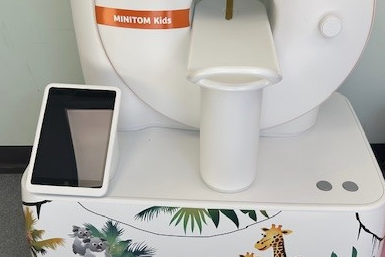
Gloucestershire Hospitals NHS Foundation Trust has introduced child-friendly imaging technology to ease anxiety and improve the experience of young patients undergoing scans.
Kidney cancer, also called renal cancer, is a type of cancer that starts in the kidneys.
This page gives you information about having a tooth removed and answers many of the commonly asked questions.
This page contains important information for you to read before your admission.
We fully support the Government’s objectives to eradicate modern slavery and human trafficking.
Our Communications Team is responsible for our social media accounts on several different platforms.
This page gives you information about tests used to help identify problems at the back of the eye.
This page contains useful advice for the carer(s) of a person who has had a head injury. The person who suffered the head injury may not be aware when things are not quite right. For this reason, we recommend that the leaflet attached below is given to someone who will be with the injured person for the next couple of days. Although well enough to leave hospital, it is possible that they may develop new symptoms which need either observing or seeking urgent medical help.