We use cookies to provide you with a better service. Carry on browsing if you’re happy with this or read more about our cookie policy and privacy policy.
Hereditary haemochromatosis (HH) is a very common inherited disorder of iron metabolism, characterised by inappropriately high absorption of iron, leading to excessive storage in the liver, skin, pancreas, heart, joints and testes.
A team of local hospital staff, led by their Chief Executive Deborah Lee, will face up to an epic army challenge on Exmoor this weekend to raise vital funds for local cancer patients.
The information given here is intended for use by healthcare professionals. Please see Lab Tests Online-UK for more general advice, links and background.
This page explains what High Flow Nasal Oxygen (HFNO) is and why it is part of your treatment. It may also answer some of the questions that you may have about HFNO. The information on this page is not meant to replace the consultation between you and your medical team but may help you to understand more about what is discussed. Please do not hesitate to speak to the doctor, nurse or physiotherapist if you have any further questions.
You have been referred to the Nuclear Medicine Department for radium-223 therapy. This is a type of intravenous radiotherapy treatment for prostate cancer that has spread to your bones. Radium-223 is an effective treatment for the relief of bone pain. Studies have shown that there might also be an increase in life expectancy. The information on this page describes the treatment, possible side-effects and the radiation protection advice that you will need to follow throughout the course of your treatment. If you have any questions, please contact the Nuclear Medicine Department. The contact details are at the end of this page.
Medical photographers are qualified professional healthcare scientists specialising in the photography of patients.
Patients, carers, families, friends and members of the public are invited to nominate a member of staff or a team who has gone the extra mile to provide outstanding care at Gloucestershire Hospitals
Documents and links detailing palliative care guidelines for health professionals
Our Quality Account for 2018–2019
Our Quality Account for 2015 – 2016
Microbiology
The medical day unit provides IV drip (intravenous infusion) treatments for patients with stomach, kidney, neurology, rheumatology, breathing or skin conditions.
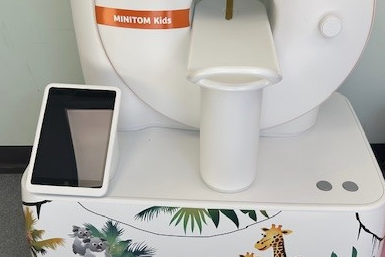
Gloucestershire Hospitals NHS Foundation Trust has introduced child-friendly imaging technology to ease anxiety and improve the experience of young patients undergoing scans.
This page contains important information for you to read before your admission.
We would like to extend our deepest sympathy to you at this time. The early days following bereavement can often be bewildering and difficult, we are here to support you through this. This page offers information and explains some of your options. Providing practical guidance so that you are aware and understand the choices available to you.
This form will provide the Private Patient team with the information necessary to charge patients for private treatment at the hospital (e.g. details of how payment will be made) and other details that will allow us to register private patients for private treatment.
We have made the difficult decision to extend the home birth service suspension for at least six months.