Supporting you while you recover from major trauma
The Trauma Unit at Gloucestershire Hospitals NHS Foundation Trust is part of the Severn Trauma Network and helps to make sure that patients receive timely and co-ordinated treatment. We provide services in Gloucestershire 24 hours a day, 7 days a week for those who have been seriously injured. Trauma refers to a physical injury which may result in wounds, broken bones or internal organ damage. It is common that a person who experiences physical trauma will also experience psychological trauma due to the shock of an unexpected injury. A traumatic injury refers to physical injuries that happen suddenly and where the severity requires immediate medical attention. The trauma is caused by various force from outside of the body, which can either be blunt or penetrating/sharp. Blunt trauma includes falls, car accidents, crush injuries and assaults. Trauma injuries can range from isolated broken bones or mild concussion, to complex polytrauma involving multiple limbs.
On this page
-
What we do
-
Support during your stay
-
Additional support for chest trauma
-
Head and brain injuries
-
Abdominal trauma
-
Spinal trauma
-
Injuries to limbs
-
Older people and traumatic injury
-
Follow on reconstructive surgery
-
Constipation and bowel management
-
Coping with stress following a major incident
-
Leaving hospital
-
Rehabilitation prescription notes
-
Contact information
-
Other contacts and support groups
-
Inpatient Survey for Trauma
-
Returning to daily activities
-
Pain relief
-
Driving
-
Work
-
Housework
-
Dog walking
-
Sexual intercourse
What we do
The trauma unit is supported by specialist nurses and therapists who are experienced in managing the type of injuries which you have experienced. The unit works together with you and your family to support your care and recovery in hospital and with planning your discharge and rehabilitation.
Support during your stay
Within 72 hours of your admission to the trauma unit, you will be met by a clinical co-ordinator. This may be a occupational therapy/physiotherapy or an advanced trauma practitioner who has additional training in caring for patients who have had a traumatic injury.
Your coordinator will:
- Support you and your family with understanding your injuries and the predicted recovery journey.
- Make a follow-up call to patients after discharge, when indicated.
- Link you to relevant charities to support you and your family.
- Refer you to mental health support/psychology services, if needed.
- Coordinate your ‘Rehabilitation Prescription’, including your weight bearing and mobilisation status.
Additional support for chest trauma
Chest trauma is a common injury following a blow to the chest or falling heavily onto your chest. Pain in the chest is made worse by coughing, laughing or deep breathing. It is important to breathe properly.
As part of your rehabilitation prescription you will be given breathing exercises, these should be followed to help ease any discomfort when breathing along with regular pain relief. Do not suppress the need to cough, as it is needed to clear any secretions and prevent chest infections. You can support your ribs when coughing by hugging a pillow to your chest. You are strongly advised to stop smoking.
The chest wall moves continuously while we breathe. Following rib fractures, this movement can be painful and can stop us from taking deep breaths, coughing or laughing. This, in turn, prevents us from clearing our natural lung secretions. These secretions can build up and cause a chest infection.
Some people also experience pain and stiffness in the shoulder and spine. This mainly results from not moving as we usually would, due to pain caused by the injury. Uncomplicated rib fractures should heal in 6 to 8 weeks without any surgical intervention.
A chest drain may be inserted after a chest injury or surgery. The aim is to drain either fluid or air from the pleural space (a space between two linings of the lungs) to help with breathing. The drain site and dressing will need to be checked regularly.
Please do not pull on the drain. You will be able to walk around with a chest drain inserted as long as the drainage bottle is on your person. It needs to be kept at waist level or below, in order to drain properly.
During your hospital stay while the drain is in place, please look out for any complications, including: increased pain, difficulty breathing, bleeding from the drain site, or becoming unwell in yourself such as a temperature or being short of breath.
If you have any concerns, please alert the nurses or doctors looking after you.
For more information, please see the Gloucestershire Hospitals leaflet ‘Chest Trauma GHPI0653’.
Head and brain injuries
The Gloucestershire Brain Injury Team are a multidisciplinary therapy team offering inpatient and outpatient assessment and therapy for adults (aged 16 years and above) who have had an acquired brain injury. You can contact the team by email at ghn-tr.braininjuryteam@nhs.net or telephone 0300 422 5139.
It can be difficult to know how serious a head injury is when it first happens and whether the brain has been injured. Sometimes there can be few or no external signs of injury but the brain can still have been affected.
The Glasgow Coma Scale (GCS) is used by health professionals to assess a person following a head injury and uses a numerical scale which helps staff identify any changes in a patient’s level of alertness. Such changes may mean that further imaging such as a CT scan will be advised.
At the time of the injury, and even in the early stages of treatment or recovery, it may not be possible for a health professional to answer all of your questions about how serious an injury is and what the chances are of a full recovery.
Traumatic Brain Injury (TBI) does not necessarily lead to long-term disability or problems, and it is possible to make a good recovery.
After a minor head injury, symptoms such as feeling dizzy, feeling tired, vision problems, sensitivity to light and noise, and memory difficulties should improve within a couple of months.
After a head injury, some people may experience temporary memory loss. They may be confused about why they are in the hospital or be unable to remember the events surrounding their accident, fall or injury. This can be quite upsetting for you and your relatives but the ward staff and trauma service are experienced with helping people with amnesia.
Communication difficulties are common after a serious head injury. This might be due to trouble coordinating the movement of the lips and tongue, problems with the thought processes that go into communication or finding the right words or tone of voice. Help from the speech and language therapy team can be a useful part of recovery from a TBI.
Moderate and severe head injuries might also involve; skull fractures, bleeding around or within the brain or blood clots. People with moderate and severe TBI are at greater risk of complications. These may include seizures and infection. Recovery will be more prolonged and symptoms may continue for several months.
A severe TBI is a very serious injury and some people will have life-changing disabilities.
Rehabilitation may be started while you are in hospital then continued following your transfer to a neurorehabilitation centre, or with specialists in the community if you have already returned home.
Some therapy sessions during your rehabilitation might seem short and will probably not fill up the day. This is because people get tired easily when they are recovering from a head injury. We encourage friends and family to get involved in the therapy if possible, as they may be able to help you carry on with the exercises after you leave hospital.
When you are discharged from the hospital, it is important that there is a suitable adult who can supervise you for the first 24 to 48 hours.
For more information, please see the various ‘Brain Injury’ leaflets available on the Trust website - www.gloshospitals.nhs.uk
Abdominal trauma
Blunt abdominal trauma can be caused by compression from a fixed object or decelerating forces (e.g. when travelling fast in a car that comes to a sudden stop). If blunt abdominal trauma is suspected, for example, if you were wearing a seat belt and were involved in a road traffic accident, CT imaging will be used to look for any damage, particularly to the liver and spleen.
Penetrating abdominal trauma is usually caused by a high-energy transfer of a sharp object entering the abdominal cavity. Stab wound injuries can be caused by many household objects, including knives, gardening tools, fence railing or pipes.
Sometimes the extent of injury can be unpredictable and difficult to examine. Although missed injuries are rare, it is important that patients are aware of the following symptoms; increased pain or swelling, nausea and vomiting, weakness, light-headedness and new bleeding in urine or faeces.
These signs may suggest the possibility of an undiagnosed injury and should be investigated promptly. If in hospital please alert a healthcare professional. If you
have been discharged then please attend the Emergency Department for an assessment.
If you have had a laparotomy (a long vertical cut to your abdomen) to address any trauma to your abdominal organs, you will have had a cut through your abdominal muscles. It will take a number of weeks to recover from the operation.
It is best to avoid lifting anything heavier than 5 kilograms for the first 6 weeks following surgery. This will allow time for the muscles to remain relaxed and heal. You are also advised to avoid all contact sports such as rugby during this time in order to reduce the risk of further bleeding or damage to your abdominal organs.
Spinal trauma
Injury to the spinal cord can lead to some of the nerves in the body not working properly, with symptoms including loss or reduction of motor function, sensory impairment or bowel/bladder dysfunction. If this is suspected, your neck and spine may need to be protected by using blocks either side of your head and tape across your forehead to limit your neck movements and you will have CT and / or MRI imaging. You may be referred to a Spinal Cord Injury Centre, and if possible/safe, then you will be transferred to that centre if that is appropriate for rehabilitation. This may be as an inpatient or care might be provided as an outpatient, depending on your needs.
For more information, please visit the Spinal Injuries Association website - www.spinal.co.uk
Injuries to limbs
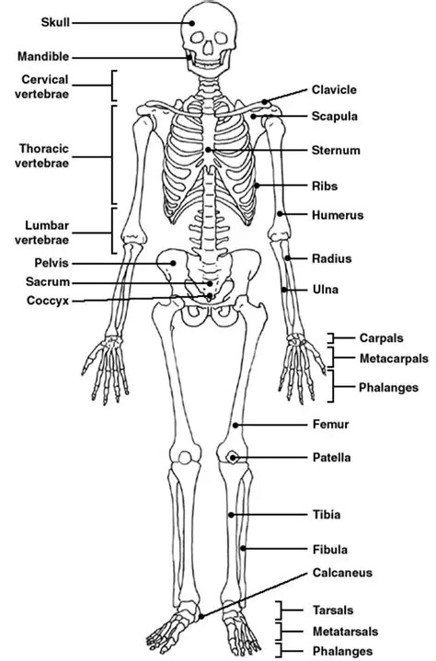
Some broken bones are more serious than others. It depends on the location of the fracture, how the bone has broken and whether there is any damage to the surrounding tissue.
The most common types of fractures are:
Stress
Tiny cracks in the bone caused by overuse, common in athletes.
Undisplaced or hairline
A fracture through the bone with little damage to the surrounding tissue. Displaced – the two parts of the broken bone have moved apart (misaligned).
Comminuted
The bone has broken (shattered) into several pieces.
Open or compound
A complicated break where the bone has broken through the skin, or the initial injury has exposed the broken bone.
For more information, please see the various fracture specific leaflets available in the Trust.
Surgery
Severe fractures are often treated with surgery to realign and fix the broken bones. Surgeons can fix bones using metal wires, plates, screws, rods or frames that are either inside or outside the body.
Plates, screws and rods will usually be left in place permanently, unless they become a problem. Whereas wires which pass through the skin will usually be removed 4 to 6 weeks after the operation.
Sometimes an external frame (external fixator) is attached to the broken bones with metal pins to help keep them in place. This is removed once the fracture has healed. After surgery, a plaster cast may be applied to protect the limb.
Possible complications
For most people, a broken bone will heal within a few months, without any problems. But complications can sometimes occur.
Damage around the fracture can happen during the initial injury or surgery. This may lead to loss of movement or feeling due to nerve damage, or it may affect the blood supply to the limb.
Bone infection is more likely if surgery is performed or the bone had broken through the skin. Infection can delay healing and will often require treatment with antibiotics, surgery or both.
Compartment syndrome is a painful and potentially serious condition caused by bleeding or swelling within a bundle of muscles. This can happen soon after a fracture, after the plaster cast has been applied or after surgery. Your injuries will be monitored closely if you are at risk of developing compartment syndrome.
Occasionally, a further operation may be needed if the bone does not heal properly. This can happen if the bone does not align properly during surgery or the fracture displaces after surgery. Risk factors include if you put too much weight on the bone before it heals, the fracture is complex, you have diabetes or you smoke during your recovery.
External fixators
You may need an external fixator stabilising frame applied to hold the broken bones in position. The metal pins are placed into the bone through small incisions and then held together by a bar outside of the skin. The external fixator is very useful for holding the bones in position while the body heals them, but requires care:
- Keep the areas of skin where the metal pins go into the body clean and dry to minimise the risk of infection.
- Contact the hospital if any pins or wires become loose.
- Elevate the limb to reduce swelling.
- Monitor for pin site infection (red, swollen, discharge or you become unwell in yourself, such as having a high temperature).
Anaesthesia
You may need sedation or general anaesthesia for an operation as part of your stay. They are used to provide pain relief and enable the operation to be carried out. If you have a general anaesthesia, the anaesthetist will monitor the machine that helps you to breathe throughout the operation. When recovering from an anaesthetic, it is important to be aware that:
- You may feel drowsy with blurred vision.
- You may feel nauseous and vomit.
- You may lose control over your bladder and bowels (you may have a urinary catheter inserted).
- You may have a sore throat from a tube being placed during general anaesthesia.
- You may not be able to move your limbs temporarily (if the limb has been intentionally numbed for the operation).
These are all common side effects from anaesthesia that the team use to help you. If you have any questions about anaesthesia or recovering from anaesthesia, please discuss these with the anaesthetist or a ward doctor. You will find more information at: www.rcoa.ac.uk/patientinfo
Older people and traumatic injury
In some older people, the severity of injuries may be difficult to detect at first and recovery may be more complex and prolonged. This is due to a number of factors, such as:
- Physical changes that occur in the body as a result of ageing. Normal responses in the immune system or blood clotting may be altered or slower in older people. Skin and muscles become thinner with age and bone strength may be weaker. These age-related changes may delay healing and leave an older patient prone to other problems, such as infection or chronic pain.
- Injury can be complicated by other diseases. Many older people have other health problems, such as high blood pressure, heart disease, diabetes or dementia, which can complicate or slow recovery after injury.
- Medications may affect responses to injury. Some older patients take a number of medications on a daily basis, such as aspirin, warfarin or pain relief and these may affect the time it takes to heal after trauma.
As a result of injury, older people may have to spend a considerable amount of time in the hospital. Relatively simple trauma may cause a more severe injury. Some older patients are unable to return home after their injury and may require a period of care in a rehabilitation or nursing facility.
Therapy
Towards the end of your hospital stay, you will be assessed and supported by our therapy team. They will address practical situations such as getting in and out of a car, using the bathroom, washing, dressing and using the kitchen. They will help you, as well as your family, with the impact of your injuries on your home life.
Important actions that need to be considered include:
- Stepping in and out of the bath – this requires flexibility and strength in a hazardous environment. Make sure you are confident in your ability to safely carry this out.
- In the kitchen – it is advised not to use low ovens or reach high shelves. You may need to adapt your cooking preferences to make it easier. For example, using a microwave to heat food. If you are using 2 sticks to mobilise, you will not be able to carry plates or dishes.
- If you have dependents or children at home, our therapists can work with your family to find the best arrangements so that you can focus on your recovery.
- After spending some time in bed, your body can get quite weak. This will make your muscles weak, which will also make you more tired. Try to pace yourself, do not try to do everything at once. For example, spread your activities throughout the day so that you do not do everything in the morning.
- If you are tired, it is okay to have a sleep in the afternoon. Try to sleep on your bed rather than have a ‘nap’ in front of the TV, as this is not good quality sleep. Avoid caffeine and alcohol close to bedtime, as this will impact the quality of your sleep.
Wound care advice
Before leaving the hospital, please discuss your wounds with the ward staff. Ask a member of the ward staff if your wound dressing will be managed by a District Nurses or the Practice Nurse at your GP’s surgery.
Care for your wound by keeping it dry and clean. Eat a healthy, balanced diet and follow specific guidance given during your hospital stay.
If you, or your District nurse or GP Practice nurse feel that your wound is not healing well, they can refer you to a specialist service run by the Tissue Viability Nurses.
You may see nylon threads (ends of stiches) poking out of a healing scar. Please do not pull on these. If the loose ends are catching on clothes, you should cover the wound until the stitches are removed.
For more information, please see the Emergency Department ‘Wound care advice GHPI0767’ leaflet.
Follow on reconstructive surgery
In some cases surgery to remodel areas of the body, such as scars or releasing scar contractures (may involve a small operation to cut the tethered skin) are performed. In other areas, it can often involve treating hard-to-heal wounds with skin grafts or flaps and the use of specialised dressings such as vacuum wound dressings or specialised anti-bacterial dressings.
Plastic surgery can take place over several procedures, as often scars, skin grafts and flaps can take time to adjust to their new location and may need to be trimmed or debulked, as some areas can appear bulky and prevent such simple things as wearing shoes or types of clothes.
You should always have realistic expectations regarding any further surgery to either correct or reconstruct your injured areas and wound. By closing one wound, it may involve creating another one, which is called a donor area.
Donor areas are where skin grafts and or muscle flaps are taken from one part of your body to close the other area that may have either been hard to heal or where your injury needs to be reconstructed. Although the plastic surgeons do their best, you must understand that the results may not be what your body looked like before your injury. Some people may need more reconstructive surgery than others, as this type of surgery can often take time and mean spending more periods in hospital.
Constipation and bowel management
Constipation after surgery can be common due to the pain medication (analgesia) required and reduced mobility.
In addition to laxatives, which will be prescribed for you, it is important to drink enough fluids (2 litres of water or a recommended quantity if you have underlying health conditions) every day.
It is recommended that you include plenty of high fibre foods such as fruit, vegetables and cereals in your diet. You should also move around as much as is safely possible for your mobility.
Coping with stress following a major incident
Help is available if you would like to talk about what happened or you are experiencing vivid images of what you saw and have intense emotional reactions to them. We can support you if you have disturbed sleep, feel unable to cope, feel tired, experience anxiety or memory loss since the incident.
Trauma can affect your relationships, alcohol or drug use and your performance at work. The trauma team can give you details of the most appropriate service for support.
Leaving hospital
When you no longer require care at Gloucestershire Hospitals NHS Foundation Trust, you may return home, to your local community hospital or to a specialist centre for further care and rehabilitation.
We understand this can be a challenging and worrying time. To help, we can provide you with your
‘Rehabilitation Prescription’. This is a document giving you written information about what to expect after discharge from hospital. The information will include details about your injuries and their management. Also included will be instructions regarding weightbearing and mobilisation.
Please show the Rehabilitation Prescription to all health care professionals you see, as the information may be helpful to them.
The therapy team may teach you rehabilitation exercises during your inpatient stay. Please familiarise yourself with the exercises and practice little and often while in hospital and continue the exercises when you are discharged.
Rehabilitation prescription notes
You should have received detailed notes from your Lead health care professional on the following:
- Details of your injuries
- Current mobilisation and weight bearing status
- Where you've been discharged to
- Your short-term rehabilitation goals
- Long-term rehabilitation goals
- Therapies, treatments and exercises discussed
- Follow-up appointments
Contact information
If you have any queries about hospital appointments, please contact:
Booking Office
Tel: 0300 422 5991
Tel: 0300 422 5989
Tel: 0300 422 6952
If you have any questions or concerns that cannot be dealt with by the ward staff or problems that arise after discharge, please do not hesitate to contact us.
Major Trauma Service
Tel: 0300 422 5316
Monday to Friday, 8:30am to 4:30pm.
Email: ghn-tr.rehab.prescriptions@nhs.net
Contact your GP or NHS 111 about possible symptoms of anxiety, depression or post-traumatic stress disorder.
You can also visit NHS Choices – www.NHS.uk or call the Samaritans on 08457 90 90 90.
Other contacts and support groups
After Trauma
Website: www.aftertrauma.org
Major Trauma Group
Website: www.majortraumagroup.co.uk
Brain & Spine
Website: www.brainandspine.org.uk
Headway – Brain Injury Association
Website: www.headway.org.uk
Pain Concern
Website: www.painconcern.org.uk
Spinal Injuries Association (SIA)
Website: www.spinal.co.uk
Inpatient Survey for Trauma
To help the department understand what is important to you and how we can improve our service, we would appreciate if you would take the time to complete a feedback survey.
All responses will be anonymous, and any information provided will be used sensitively and stored securely. To access the survey, please type in the ‘case sensitive’ link into your internet browser.
https://ex.civicamysay.co.uk/Eoh3ZIm3au9
(case sensitive)
Returning to daily activities
If you have any questions, feedback or concerns that you would like to discuss after discharge, please contact the Major Trauma Team. When appropriate, we will offer leaflets and information to help support you. We can also signpost you to websites and support groups.
Pain relief
You may need to try a different pain relief medication. If your pain is not well controlled or if your sleep is significantly disturbed, please get in touch with the team or your GP.
Driving
You need to be safe to control the vehicle and be able to perform an emergency stop (this is your own evaluation). Driving must not make your injuries worse (this can be discussed with your hospital doctor or General Practitioner). If there is anything which affects your driving, please discuss this with your motor insurance company before returning to driving.
You must not drive if you are wearing a cast on any limb.
Work
This is very personal as it depends on what work you do. Please discuss this with your hospital doctor or General Practitioner, who will be able to provide a sick note if necessary.
Housework
This depends on your mobility and pain when discharged. If you are using more than one stick to walk, then we recommend you do not do housework. When resuming housework, please start with light housework, such as dusting, before trying heavy housework such as vacuuming.
If you have an upper limb injury, please discuss housework with the physiotherapist in more detail.
If you are concerned about housework or cooking for dependents in the house, please discuss this with your co-ordinator. You should be aware of your capabilities of carrying out activities of daily living before discharge.
Dog walking
If you use walking sticks to mobilise, it is recommended that you are confident in walking with one stick before deciding to walk your dog. Please be aware of the risk of being pulled over by the dog.
Sexual intercourse
During the first 6 weeks after an operation/injury, your muscles, bones and soft tissues will be healing. The impact this has on you will depend on the nature of your injuries. Please feel free to discuss this with your hospital doctor, General Practitioner, or physiotherapist.
Following pelvis fractures, most female patients will have no problems with fertility, though there is a higher percentage (30% more than normal) of a woman having a caesarean section following a pelvic fracture. Following multiple trauma, spinal injury or TBI, it is not unusual for patients to go through a period of reduced sexual drive (reduced libido).
Apart from the physical effects of an injury, the way the body responds sexually also depends on your thoughts and feelings.
Thoughts and feelings about yourself and others may be influenced by changes in mood, motivation, personality and thought processes. This may be complicated by depression, emotional trauma following the injury, medication or changes in hormone levels.