We use cookies to provide you with a better service. Carry on browsing if you’re happy with this or read more about our cookie policy and privacy policy.
There are so many ways that you can help make a difference - wherever you are on your journey, we are here to help
This page gives you information about how to raise an informal concern or share a compliment about the services at Gloucestershire Hospitals NHS Foundation Trust.
Women in a Gloucestershire village whose lives have all been touched by cancer have joined together to get behind the £17.5m Big Space Cancer Appeal.
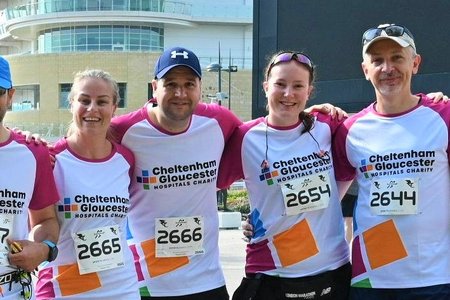
Our amazing community fundraisers help our local NHS hospitals do even more
This page aims to help guide you through your recovery from gynaecological surgery.
Increasing rates of COVID infections in younger age groups means that from 6 August, we will require evidence of a negative test result within the last 24 hours
Chemical Pathology
Our hospitals are extremely busy at present and we are strongly urging people to only call 999 or visit the two Emergency Departments if it’s a life-threatening situation or a serious injury
We have an inclusion network which is open for all staff to join.
Lactate is normally assayed using the blood gas analysers situated in the emergency departments or the departments of Critical Care at both Gloucestershire Royal and Cheltenham General Hospital (a blood gas syringe which must be analysed within 5 minutes of collection is required)
Note: levels of IGF-1 may be low with anorexia or malnutrition.
Hereditary haemochromatosis (HH) is a very common inherited disorder of iron metabolism, characterised by inappropriately high absorption of iron, leading to excessive storage in the liver, skin, pancreas, heart, joints and testes.
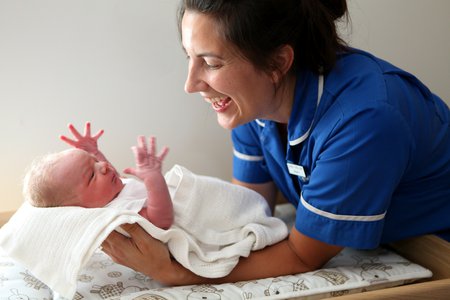
Newborns in Gloucestershire will now have access to cutting-edge genomic screening as Gloucestershire Hospitals joins the national Generation Study.
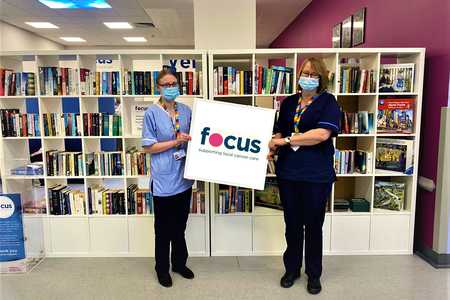
Thanks to donations to our Focus fund, a new research role is helping to make a real difference for local cancer patients and NHS staff.
A team of local hospital staff, led by their Chief Executive Deborah Lee, will face up to an epic army challenge on Exmoor this weekend to raise vital funds for local cancer patients.
During the operation to treat your retinal condition, a bubble of gas or silicone oil was put into your eye. It is important that the gas or oil bubble floats into the correct position to support the part of the retina that needs flattening.
For adults, blood taken into a 5mL gold top tube (or rust top for the Acute Unit)
by Claire Winchester