We use cookies to provide you with a better service. Carry on browsing if you’re happy with this or read more about our cookie policy and privacy policy.
by Jenny Boobyer
Register for our free event!
As part of healthcare science week, Gloucestershire Hospitals is running a virtual Q&A, to showcase and celebrate the vital work of healthcare science and allied health professionals in our Trust.
You have been told you are likely to have uric acid stones, these are the only stones which may be dissolved by changing the pH of urine.
This page provides you with advice about caring for your injured elbow. The most common type of bony injury to an elbow is known as a radial fracture. The radius is one of the long bones in your forearm. It is usually broken when you fall on an outstretched arm.
This page gives you information about the condition you are being assessed for and the processes carried out during the assessment.
A guide for patients self-administering. This page will help you to safely give yourself your treatment by subcutaneous injection. Subcutaneous means giving the injection into the fatty tissue layer just under the skin. Self-administration will allow you to have greater freedom and take control of your treatment.
Asplenic patients are at a greater risk of developing fulminant, life-threatening sepsis and must be appropriately vaccinated and receive antibiotic prophylaxis. The main causative organisms are: Streptococus pneumoniae; Haemophilus influenzae and Neisseria meningitidis.
Gloucestershire Haematopoietic Stem Cell Transplant Service This page explains what happens after you are discharged from the ward following your stem cell transplant.
This page gives you important information about the day case Endoscopic Gastrostomy (PEG) tube procedure. It is essential that you read this page if you are having a PEG tube inserted, replaced or removed.
Multidrug resistant Acinetobacter species are defined as strains showing resistance to quinolones, cephalosporins, gentamicin, co-amoxiclav and piperacillin/tazobactam. They may also be resistant to carbapenems and colistin.
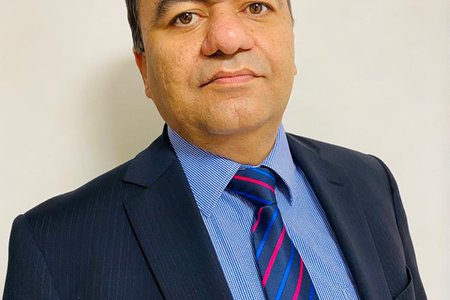
Mr Sanjay Kumar is a consultant orthopaedic surgeon at Gloucestershire Hospitals NHS Foundation Trust, who specialises in adult foot and ankle surgery, and adolescent and children orthopaedics. He is also the clinical governance lead for trauma and orthopaedics.
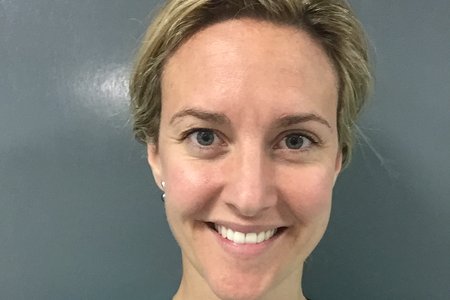
Miss Hazlerigg is a Consultant Orthopaedic Surgeon in Gloucestershire and she was appointed in 2021. She has an exclusive interest in hand and wrist and performs both elective and emergency surgery to these areas as well as performing general Orthopaedic trauma work whilst on call. She qualified from Imperial College, London in 2007 and completed basic surgical training in London before securing a postgraduate training position at the distinguished Oxford Deanery Trauma and Orthopaedics Training Programme. She was awarded Distinction in postgraduate Diploma in Orthopaedic Trauma Science from the University of London. Having passed the FRCS (Trauma and Orthopaedics) in 2016 she completed her fellowship in Hand Trauma and Plastics at the Major Trauma Centre in Oxford John Radcliffe Hospital. She is a specialist in all aspects for hand and peripheral nerve surgery (including microsurgery), arthroscopy and arthroplasty.
This industrial action by Resident Doctors, led by the British Medical Association (BMA), will take place from Tuesday 7 April (7am) until Monday 13 April (7am)
We also care for children with Type 2 diabetes and Cystic Fibrosis-related diabetes. We provide a multi-professional service supporting children, their families, school and other organisations.
Mr Baker and his team operate at Cheltenham General Hospital.
Your doctor has recommended that you consider having Radioactive Iodine Therapy (RAI) for the treatment of your overactive thyroid gland. This page gives you information about the treatment. When you attend the department for the treatment, you will be given more information and you will be able to ask any questions that you may have.
This page has been written to help you understand more about Lichen Planus (LP) affecting the vulva and/or vagina. It gives you information about Lichen Planus, what causes it and the available treatment. Listed at the end of the page are the websites where you can find out more about the condition.