We use cookies to provide you with a better service. Carry on browsing if you’re happy with this or read more about our cookie policy and privacy policy.
You might take a break from your medical training for a number of reasons, including:
This page gives you information about having a ureteric stent placed in the ureter (the tube between your kidney and bladder). It also includes the benefits, risks and possible complications associated with a ureteric stent.
In 2013, I celebrated my 36th birthday with my twin brother Tim, with a family lunch, a trip to the Lego store, followed by an appointment that night for a short stay at Royal Liverpool Hospital.
This leaflet gives you information on care following your gastroscopy and Radio Frequency Ablation (RFA) or Endoscopic mucosal Resection (EMR).
We would like to extend our deepest sympathy to you at this time. The early days following bereavement can often be bewildering and difficult. This page has been prepared to offer information for bereaved parents who have suffered the loss of a baby after 24 weeks of pregnancy. We hope you find the following information helpful.
You have been invited to attend the Haematology Clinic. This page gives you information about what will happen at the clinic and the staff you may meet. Haematology is the study of blood and the bone marrow. People attending these clinics will usually be suspected of having a problem with their blood.
You have been referred this page because you or someone you care for has been found to have tested positive for Candidozyma auris (C. auris), or screening for C. auris has been offered. The information on this page answers some commonly asked questions.
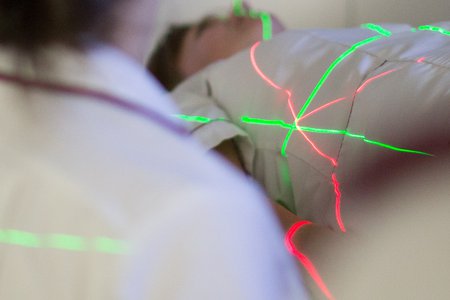
Cheltenham General Hospital’s Oncology Centre continues its focus on excellence in cancer care with the installation of a state-of-the-art TrueBeam Linear Accelerator (Linac). The installation is just the beginning as the Medical Physics team is now in the process of commissioning the new Linac.
You have been told you have a meibomian cyst (or chalazion) on your eyelid and referred to a special ‘cyst’ clinic for review and possible treatment. You may find it useful to read the information on this page as it will give you a better idea of what to expect when you attend your appointment.
An ultrasound scan is a test that uses high frequency sound waves to build a picture of your baby in the womb. Ultrasound scans are very safe and can be carried out at any stage of pregnancy.
Your oncologist has recommended that you have a course of radiotherapy. This page gives you information about radiotherapy and what will happen during your treatment. Please be aware that our radiotherapy units are training centres for doctors, nurses and radiographers. Students may be present in the department when you have your treatment but they are supervised at all times. If you would prefer not to have students present during your treatment, please let a member of staff know. You may find it useful to write down some questions before you start your treatment.
The information on this page is a general guide to help you to have the best recovery following your hip fracture. If you have any questions after reading this page, please ask a member of staff involved in your care. A hip fracture is a break at the top of the leg bone, near where your leg and body meet. Your consultant or a member of the team will have discussed with you whether you have had a total or half hip replacement, or screws to fix your fractured hip.
This page is for patients diagnosed with a cancer in the rectum (back passage). The information will help you to understand the patient pathway, and make you aware of the various treatment options that might be available to you.
This page contains information about ‘dry eye’ which is a common ophthalmic (eye) condition. Dry eye is sometimes called ‘dry eye syndrome’ or ‘dry eye disease’.
This page gives you information about endometriosis, its symptoms and laparoscopic (keyhole) surgery.
by Samantha Lignelli
This page has been written for women who are about to start cancer treatment. You may not be thinking of children right now, but might do in the future. If your treatment is likely to affect your chances of having children, you might want to think about fertility preservation (maintaining your ability to conceive a child).
This page covers some of the most important things that have been discussed with you during admission. The information on this page aims to help you through the first few weeks following diagnosis and also gives you advice and guidance to help you to make the safe transition from hospital to home.
Where to turn if you’re struggling with becoming a parent
You have chosen to have a Peritoneal Dialysis (PD) catheter as a form of dialysis to help to get rid of excess water and waste from your body as your kidneys are no longer working well.