We use cookies to provide you with a better service. Carry on browsing if you’re happy with this or read more about our cookie policy and privacy policy.
This page provides information for renal patients with a fistula or graft who need a fistulogram or fistuloplasty. The page answers some of the commonly asked questions about having a fistulogram or fistuloplasty. It also explains the benefits, risks and alternatives to the procedure.
This page gives you information about autonomic blocks and the side effects associated with the treatment.
You might take a break from your medical training for a number of reasons, including:
This page is a general guide for you, your family and friends.
Gloucestershire Hospitals has recorded its best-ever results in the recent Cancer Experience survey, with 49 out of 60 questions scoring equal to or greater than the national average response.
This page gives you information about having aa sweat test. It also explains what to expect when your child comes to the hospital for the test.
This page has been designed to help you exercise your sphincter muscles. Sphincter exercises can help you to reduce leakage from the bowel. These exercises are also beneficial for patients who are due to have a colostomy or ileostomy (stoma) reversal operation. When done correctly these exercises can build up and strengthen the muscles to help you to hold both wind and stool in the back passage.
You have been suggested this page because we want to measure the level of kidney function of your child/young person. This page gives you information about the glomerular filtration rate (IGFR) test that is used to do this and what to expect. At Gloucestershire Hospital NHS Foundation Trust we use iohexal to measure the IGFR of the kidneys to show us how well they are working.
This page gives you information about performing Intermittent Self-Dilatation (ISD).
This page gives you information about the reversal of Hartmann’s procedure. It explains what the procedure involves and some of the common problems that patients may experience with it.
Fit for the Future is part of the NHS in Gloucestershire’s vision for specialist hospital services at Cheltenham General and Gloucestershire Royal Hospitals.
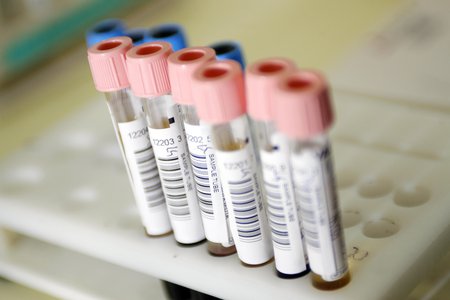
Our lab staff perform tests on tissues and fluids to help with diagnosis and treatment. Our pathology staff also provide blood tests at our hospitals and in the community.
Find out everything you need to know about parking exemptions and permits.
In an important initiative aimed at providing comprehensive care to young people experiencing mental and emotional health challenges, Youth Workers from the Young Gloucestershire charity are now being integrated into the children's ward at Gloucestershire Royal Hospital.
A perilunate dislocation is a severe injury to the ligaments of the wrist which results in dislocation of the wrist around the lunate bone.
by Michelle Sterry, Kate Adamson, Trine Jorgensen, Jo Daubeney
All of us suffer pain at some time in our lives but our experiences of pain are very individual. Here at the Gloucestershire and Herefordshire Pain Management Service we try to tailor your treatment to your experience of pain. We want to support you to live as well as you possibly can.
Gloucestershire Hospitals NHS Foundation Trust is holding an open day across its two hospital sites on Wednesday (8 September) – giving the public an opportunity to meet clinicians and ask them how the £101m investment will improve care as we emerge from the pandemic.