We use cookies to provide you with a better service. Carry on browsing if you’re happy with this or read more about our cookie policy and privacy policy.
BMA Resident Doctors’ Industrial action – 7 April to 13 April and temporary changes to Cheltenham A&E
The information on this page is a guide for patients and carers about vitrectomy surgery.
This page gives discharge advice following an oesophageal stent insertion.
This page provides you with information about having a capsule sponge test.
We aim to create a positive culture where our patients, visitors and contractors consistently demonstrate acceptable standards of behaviour towards our staff, other patients, visitors and people on our premises.
If patient on high dose biotin therapy (>5mg/day) collect sample at least 8 hours after the last dose.
An ultrasound scan is a test that uses high frequency sound waves to build a picture of your baby in the womb. Ultrasound scans are very safe and can be carried out at any stage of pregnancy.
Our Trust has 5 staff governors who work in our Trust.
Fractures of the distal radius occur usually with a fall onto the outstretched hand. Often, the tip of the ulna will fracture at the same time.
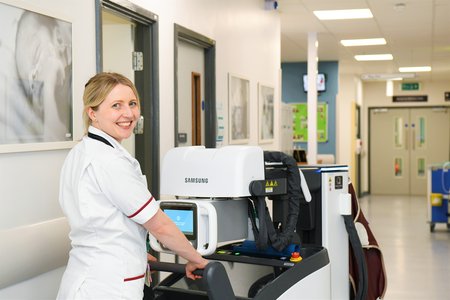
Your support has raised over £3.3million to fund the latest state-of-the-art imaging equipment to help over 40,000 patients every single year
This page explains why your child has an appointment for the Neurodevelopmental Clinic at either Gloucestershire Royal Hospital or Cheltenham General Hospital and why it is important for your child to attend their appointment.
Entry and exit via the Tower Block Entrance at Gloucestershire Royal Hospital (GRH) will be via an alternative entrance from Tuesday 29 April - Thursday 1 May inclusive
Serum - paired samples not normally required
Haematology support groups provide emotional support, shared experiences and practical advice for patients with blood disorders, helping to reduce isolation, improve understanding and enhance overall well-being through community and peer connection.
How to apply to volunteer at our Trust, including steps to apply, completing an online application form and submitting it.
Your treatment starts as soon as you come into the emergency department (ED). On arrival, you will see a specialist emergency clinician called a triage nurse who will assess how serious your condition is. This allows patients with life-threatening problems to be seen first.
This page gives you information about your right to refuse a transfusion of blood or blood products as part of your treatment.
Microbiology
By Dr Hina Iftikhar, Dr Bethany Stoneham, Dr Jonathan Archer, Dr Adam Usher
This page explains what to expect when you come to the Falls Clinic. You will read about who you will meet, what will happen, how long the assessment will take and what you will need to bring with you. The Falls Clinic is for people who have had more than one fall. The purpose of the clinic is for staff to carry out an assessment to identify all of the risk factors for falls and to give advice on ways to reduce the risk in the future.