We use cookies to provide you with a better service. Carry on browsing if you’re happy with this or read more about our cookie policy and privacy policy.
Gloucestershire Hospitals has approved clear face masks, to help health and care workers to communicate with people with conditions such as hearing loss, autism and dementia throughout the pandemic.
We are pleased that phlebotomy colleagues have voted to end the strike
by Kate Tredgett
If you are on a low income or benefits you might be able to reclaim your transport costs to and from the hospital or other NHS premises.
The interim report from Baroness Amos's Independent Investigation into Maternity and Neonatal Services has been published.
No specific preparation required
The information given here is intended for use by healthcare professionals. Please see Lab Tests Online-UK for more general advice, links and background.
Bowel cancer is also known as type of colorectal cancer.
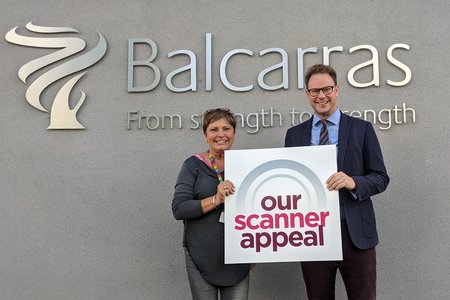
Staff, students and families at Balcarras School have gone above and beyond to help support our latest appeal.
Chief and Principal Investigators, all other research personnel who have been delegated roles and responsibilities and the staff of the R&D Department who have the function of research governance for our hospitals must adhere to this set of procedures when undertaking research.
This page gives you information about the therapists working within the Gloucestershire Brain Injury Team and how they help people to achieve their best possible recovery.
This page will give you information about collecting a 24 hour urine sample.
As part of enabling works for a new state-of the art MRI scanner at CGH, a crane will affect the College Road wing carpark and stairwell on Saturday 15 March and Saturday 22 March
We are part of an extensive shared care network linked to the paediatric haematology/oncology service at Bristol Royal Hospital for Children (BRHC), which serves the entire South West region. Our tole is to deliver treatment and follow-up close to home where possible.
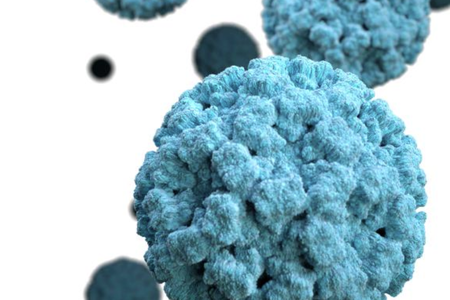
Members of the public are being asked to avoid visiting certain wards at Cheltenham General Hospital and Gloucestershire Royal Hospital to help contain the spread of highly contagious winter illnesses such as Norovirus.
A Gloucestershire cricket club is hosting a match with a life-saving difference this week.
Post-transfusion purpura (PTP) is a delayed adverse reaction to a blood or platelet transfusion that occurs when the body has produced antibodies to the donor transfused platelet antigens. These antibodies destroy the patient's platelets leading to a rapid decline in platelet count. PTP usually presents 5–12 days after transfusion.
For adults, blood taken into a 4mL EDTA tube