We use cookies to provide you with a better service. Carry on browsing if you’re happy with this or read more about our cookie policy and privacy policy.
Whatever method of feeding you choose, your midwife, health visitor, or breastfeeding counsellor can explain how to do it.
This page provides information for people with diabetes, about having a hypoglycaemic (low blood glucose) episode.
Dehydroepiandrosterone sulphate (DHEAS) is an androgen primarily produced by the adrenal cortex, with only small amounts produced by the ovaries in women and testes in men. DHEAS provides an assessment of adrenal function and is indicated in:
Ward 2A specialises in treating trauma and orthopaedics patients and is located on the second floor of the Tower Block at Gloucestershire Royal Hospital.
Research means turning promising ideas or interesting theories into real benefits for our patients.
Our hospital staff aim to support your child and you as parents/carers in situations when we identify factors which make the child or infant vulnerable.
Label the specimen with:
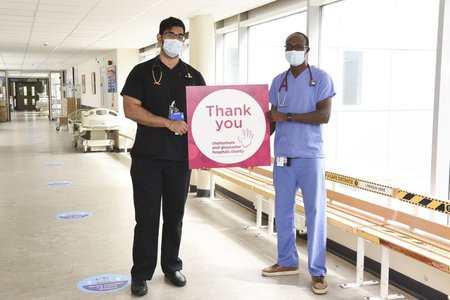
Thanks to your donations, our latest mental health and wellbeing project has been making a real difference for our colleagues at Gloucestershire Hospitals.
Antimicrobial resistance (AMR) represents a major global threat across human, animal, plant, food, and environmental sectors.
This page has been written to give you information about a medicine called magnesium sulphate. Magnesium sulphate (MgS04) is a medicine offered to women whose baby will be born between 24 and 30 weeks of pregnancy. This is because we know that it can protect some babies from developing cerebral palsy. You will have been referred this page to read because either a decision has been made by the doctor that your baby needs to be born early, or you have gone into premature labour and it is believed that having the magnesium sulphate would be of benefit to you and your unborn baby.
Our biggest-ever awards event took place on Friday 29 November. Thank you to all the amazing shortlisted candidates and congratulations to this year's winners
Your donations help to provide specialist care and wellbeing support when people need it most
From Wednesday 10 April, we are introducing a 12-week body camera trial in our Emergency Department (ED) in Gloucestershire Royal Hospital that aims to increase security and safety for patients, staff and the public.
This page gives you information about having a nuclear medicine scan, including any preparation required and the equipment used.