We use cookies to provide you with a better service. Carry on browsing if you’re happy with this or read more about our cookie policy and privacy policy.
Stool container with spoon
We provide care and support to patients experiencing bladder or bowel dysfunction.
Our teams work with both inpatients and outpatients to help them understand and better manage the impact of their health problems.
Oncology is the branch of medicine that refers to the diagnosis and treatment of cancer. At our hospitals we call these cancer services.
A list of papers from our monthly board meetings
Media consent form for photographs / video / audio recordings
Our surgeons are committed to ensuring patients receive the best possible treatment and care.
See individual test pages
This page provides the Stoke patient journey to hospital.
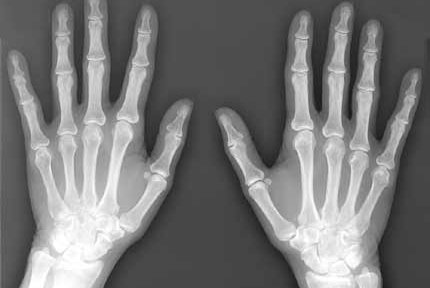
Lumps and bumps may present anywhere in the hand and wrist. The vast majority entirely harmless. Many of these lumps are referred to as tumours – a word which many people associate with cancer. The word itself is derived from the Latin word meaning swelling or protuberance, and the word itself does not imply any cancerous growth.
Our Respiratory medicine team specialise in the treatment of problems in regards to the the upper airway, the lungs, the chest wall and the ventilatory control system.
Neurophysiology is a diagnostic speciality concerned with investigating the function of the nervous system. It involves recording and interpreting electrical signals from the brain, spinal cord and peripheral nerves to help diagnose disorders.
Clotted blood. (No special patient preparation needed)
Serum - paired samples not required
Whatever method of feeding you choose, your midwife, health visitor, or breastfeeding counsellor can explain how to do it.
Department of Haematology
The following list is intended as a guide for when a patient’s usual insulin is unavailable to prevent a missed dose.
Help us to understand your experience of Qutenza treatment
The NHS Abdominal Aortic Aneurysm (AAA) national screening programme aims to reduce deaths from ruptured abdominal aortic aneurysms through early detection, monitoring and treatment.
by Clemency Nye, Sophie Boyd and Suzanna Lake